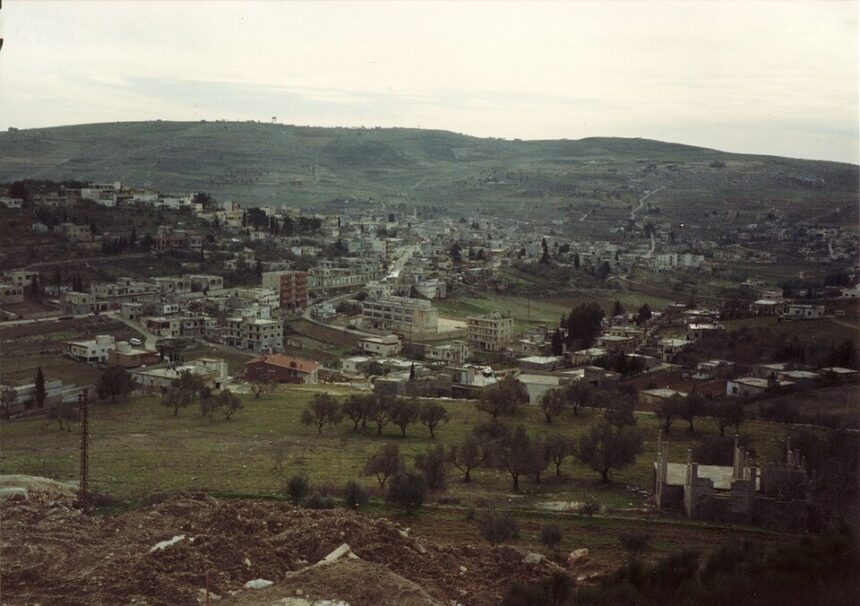
An Israeli reservist was severely wounded on July 2 when a Hezbollah gunman opened fire on troops in Bint Jbeil, southern Lebanon. Israel responded with strikes on ten sites in the area – the sharpest test yet of the trilateral framework Israel, Lebanon and the US signed in Washington a week earlier.
The framework ties any Israeli withdrawal to “verified disarmament” of Hezbollah, a condition verified through a joint mechanism critics call structurally tilted toward Israel – while Hezbollah has rejected the deal outright and shows no sign of disarming. Analyst Nicholas Blanford has called forced disarmament by the Lebanese army “an act of war” that the Lebanese army is unwilling to carry out, leaving the agreement’s central precondition without a credible path to fulfillment. Point 3 of the framework conditions displaced residents’ return to border zones on that same unmet disarmament — affecting roughly 500,000 people still displaced. Clause 13 has drawn separate criticism from Amnesty International and Human Rights Watch, who warn it could bar Lebanon from pursuing Israel at the ICC or ICJ over alleged war crimes. Lebanese PM Nawaf Salam disputes that reading, calling the clause a temporary suspension rather than a waiver.
President Joseph Aoun says the deal “does not legitimize” the IDF’s presence. Finance Minister Bezalel Smotrich has suggested otherwise, indicating Israel could remain long-term.
Bint Jbeil suggests the pattern will repeat: a framework built around a condition neither side can currently deliver.