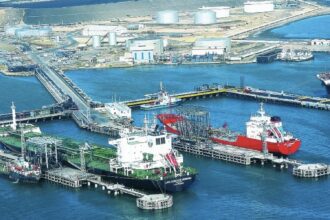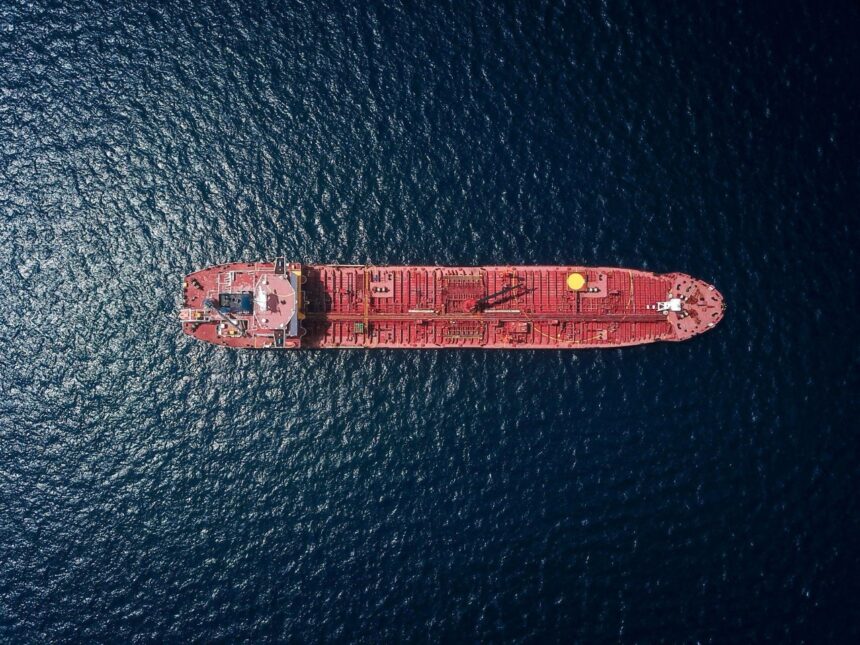
Saudi Arabia is preparing a major offensive against the Houthis by sea and possibly by land in central Yemen, aiming to break a blockade squeezing its oil exports through the southern Red Sea, according to the Guardian, which reports Saudi forces withdrawing from eastern Yemen and massing near al-Bayda, a governorate the Houthis captured in 2020 and 2021, while assembling a 14-nation maritime coalition, including Turkey, Pakistan, Egypt, Sudan, and Djibouti, to protect Red Sea shipping. Any ground push would likely rely on Saudi-backed Yemeni forces supported by Saudi air power and intelligence, consistent with Riyadh’s approach throughout the war, rather than a direct invasion by regular Saudi army divisions.
That coalition-building reflects a deliberate strategy: by recruiting Arab and Muslim-majority partners rather than leaning solely on Western naval missions such as the US-led Operation Prosperity Guardian, Riyadh can present anti-Houthi containment as a regionally led response.
The current standoff is distinct from the separate Hormuz crisis. The blockade, announced July 20, was framed by Houthi leaders as retaliation for a strike on Sanaa’s airport they blamed on Saudi Arabia, according to Al Jazeera, and targets Bab al-Mandab rather than the strait Iran has closed on the peninsula’s other side.
Fighting has intensified in recent days, with Saudi air defenses intercepting two ballistic missiles fired from Yemen, according to CNBC, after Houthi forces claimed to strike two Saudi oil tankers in the Red Sea. While Tehran retains political influence over Ansar Allah, the group’s Red Sea operations appear driven by local incentives that could outpace any Iran-Oman diplomacy over Hormuz.
The current escalation unwinds a truce that had held since a 2022 UN-brokered ceasefire, according to Ynetnews, ending years of open war between Riyadh and the Houthis.