Three tankers were struck near the Strait of Hormuz on July 7, 20 days into the Islamabad Memorandum’s 60-day safe-passage window, as the incidents overshadowed NATO-Gulf talks in Ankara. The memorandum, signed on June 17, committed Iran to ensure safe and free commercial transit through the strait during the negotiation period, according to the published text of the agreement.
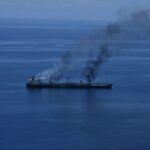
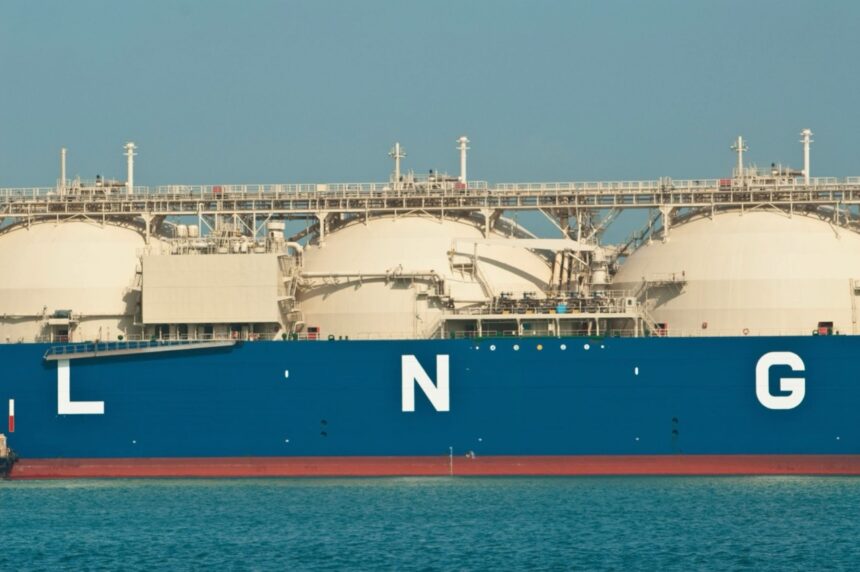
The most serious hit involved the Qatari LNG carrier Al Rekayyat, owned by Qatar’s state shipping company Nakilat. Reuters reported that the vessel was hit on its port side, with an engine-room fire leaving it at risk of explosion. The crew was safe and being evacuated. Qatar’s foreign ministry held Iran legally responsible and summoned Tehran’s deputy ambassador; Iran did not claim the attack.
A Saudi-flagged crude tanker, believed to be the supertanker Wedyan, was also damaged off Oman, according to Reuters. A third tanker was later struck by a drone while transiting the strait, according to UKMTO reporting cited by Reuters, sustaining minor damage but continuing to its next port.
The U.S.-led Joint Maritime Information Center raised the threat level for vessels transiting Hormuz to “severe,” citing likely deliberate hostile action. Ship-tracking data cited by Reuters showed only 16 vessels transited the strait on July 7, the lowest level in nearly three weeks, compared with a pre-war average of about 125 daily sailings.
The attacks landed as U.S. President Donald Trump attended the NATO summit in Ankara, where France and Britain were preparing to outline plans for a multinational maritime-security mission with Gulf partners. Reuters reported that any durable arrangement would still require Iranian acquiescence, while Tehran has rejected foreign military involvement in the area.
The incidents also hit energy markets. Brent crude settled up 3.01% at $74.16 a barrel and U.S. West Texas Intermediate rose 2.76% to $70.44, according to Reuters. Prices extended gains after Washington revoked a license authorizing Iranian oil sales, citing Iran’s actions in the strait.
The memorandum left the strait’s longer-term administration to future talks involving Iran, Oman and other Gulf littoral states. Tuesday’s attacks show that the route may be formally reopening, but the political settlement governing it remains unresolved.