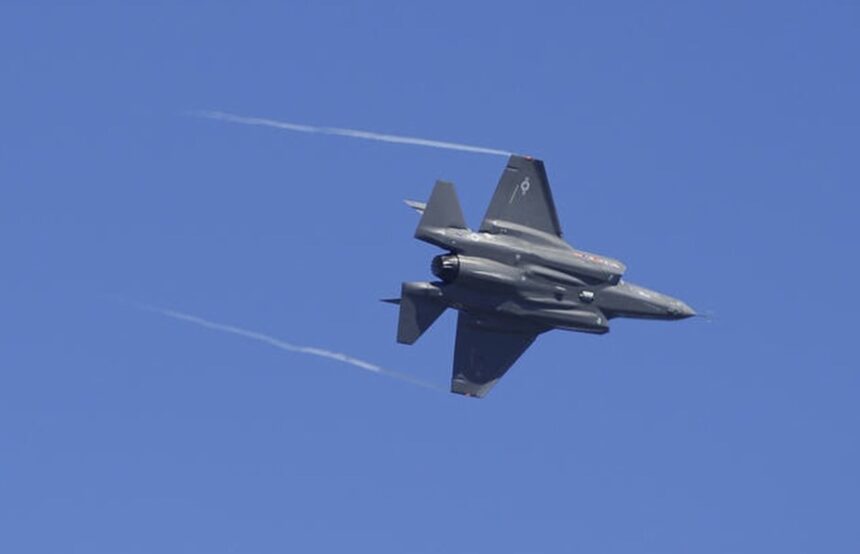
President Donald Trump’s pledge to reverse Turkey’s F-35 ban is less a single decision than a collision between two systems: Trump’s personalized, loyalty-based diplomacy and the legal architecture Congress built to keep this decision out of any president’s hands. “Turkey has been, in many ways, much more loyal than other countries that we think would be loyal,” Trump said, according to Axios. But the ban sits inside two statutes, CAATSA and the 2020 NDAA, both written to constrain exactly this kind of executive unilateralism, and Congress can still block certification even if the White House proceeds, per The Hill.
The core obstacle is Turkey’s S-400. Relocating the batteries to a third country remains unresolved, according to The Times of Israel, and not only because Washington hasn’t agreed to terms. Russia typically requires end-user certification on major weapons exports, meaning Moscow’s consent, not just Ankara’s willingness, may be needed before the systems can move. That leaves Turkey structurally trapped: it cannot satisfy Washington’s certification requirement without risking a transfer Moscow may not approve.
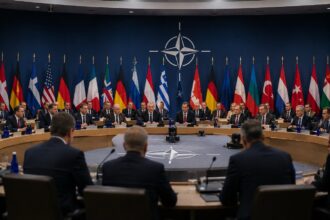
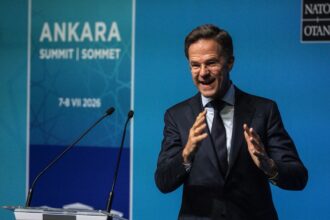
Israel’s objection has a specific legal name: Qualitative Military Edge, the codified premise that U.S. Middle East arms sales should preserve Israel’s technological advantage. Netanyahu invoked it directly, warning that F-35s for Turkey would upset “the power balance in the Middle East,” according to CNN. But QME isn’t the only fault line now. Greek PM Kyriakos Mitsotakis opposed the sale at the summit itself, saying Greece faces “an open threat of war” from Turkey. Athens’ stake is concrete: Greece is currently the only regional NATO member already flying the F-35, according to The Jerusalem Post. The dispute now runs through the Eastern Mediterranean as its own axis of friction, not just a Middle East story.
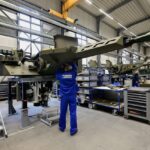
Framing a Turkish return as a fresh “admission” misreads the history. Turkey joined as a Level III partner in 2002, and Turkish Aerospace Industries held a contract as a second-source producer of up to 400 center fuselages, among roughly 900 to 1,000 total parts Turkish firms made before 2019. A reversal means unscrambling a supply chain, not opening a door that was never opened before.