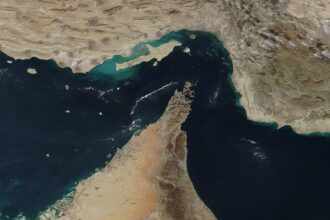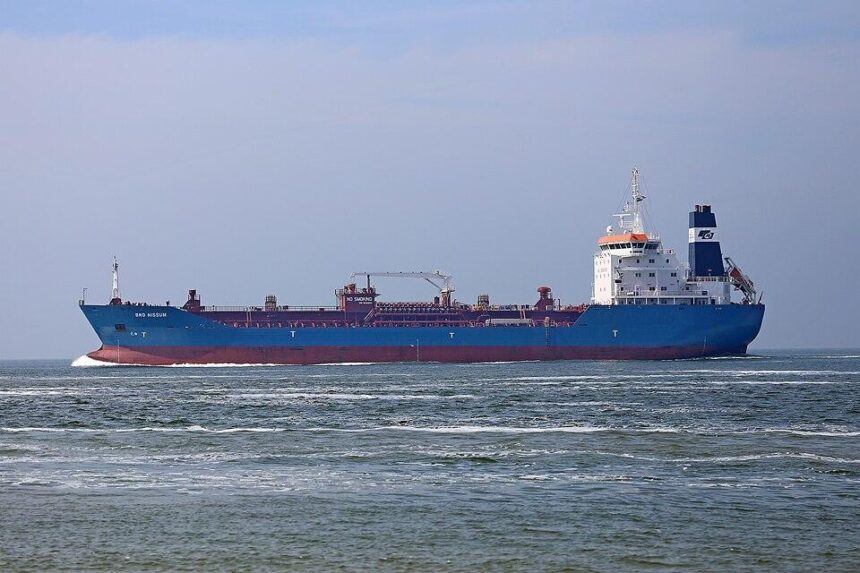
The head of the International Maritime Organization condemned fresh attacks on shipping in the Strait of Hormuz on July 8, saying roughly 6,000 seafarers aboard hundreds of ships remain trapped in the Persian Gulf as the US-Iran conflict reignites. IMO Secretary-General Arsenio Dominguez said the attacks over the past two days had “again placed innocent seafarers in grave danger,” adding that “no seafarer should have to risk their life simply for doing their job,” according to an IMO statement.
Even ships willing to risk the transit are running into a second, commercial obstacle. Dominguez said this week that insurers keeping war-risk premiums near crisis-peak levels was itself now “compounding the strain” on shipowners, and urged governments with influence over insurance markets to press insurers to reprice risk to match current conditions “rather than continuing to reflect the peak of the crisis,” according to Insurance Journal. Iran, meanwhile, has signaled it intends to impose its own transit fees once the June MOU’s 60-day toll-free window expires, a position Washington rejects, according to maritime intelligence firm Windward.
The stranded seafarers are the remnant of a much larger crisis. At the war’s peak, the United Nations estimated some 20,000 civilian sailors were trapped in the Gulf, according to NPR. The IMO launched an evacuation plan on June 23 for more than 11,000 seafarers; within days, 115 ships carrying roughly 2,500 crew members had left the Gulf, according to UN News. That operation was suspended on June 25 after an attack on a vessel outside the evacuation framework, per IMO. Dominguez said at the time that at least 14 seafarers had been killed and more than 40 commercial vessels attacked since February, adding that “seafarers feel forgotten” amid coverage focused on oil prices and the wider economy.
Even after the MOU was signed, many crews stayed stuck. Tanker captain Abhijit Chopra told Bloomberg he learned of the peace deal from messages on his phone but saw no rush toward the strait from nearby vessels, more than 100 days after his ship first became trapped.
With the ceasefire now collapsing, the roughly 6,000 seafarers still aboard ships in the Gulf are back where earlier evacuees started. What happens next depends on two separate questions still unresolved: whether Dominguez’s appeal moves insurers to reprice risk, and whether an evacuation corridor can reopen at all while the strikes themselves continue.