
Ukraine

Russia Speeds Up Its Own Version of Starlink
Russia doesn't need to finish building its own Starlink to start using it. That's the uncomfortable detail buried in an August 10 interview with Ukraine's Defense Intelligence (GUR) Deputy Chief Vadym Skibitsky, published by RBC-Ukraine. Moscow's Rassvet satellite constellation is going up faster than its own planners expected, and even in its current, half-built state, it's already flying over Ukraine with enough reach to matter. A structural workaround, not just a space race Rassvet exists because of one exploited dependency. Russian forces used Starlink informally earlier in the war, until Ukraine and SpaceX cut that access off. That loss taught Moscow, mid-conflict, exactly how much leverage comes from depending on someone else's satellites and someone else's geofencing decisions. Built by Bureau 1440 under Roscosmos oversight, the project shifted from a commercial broadband pitch into a deliberate mechanism for engineering around that vulnerability. That mechanism operates on two fronts at once.…
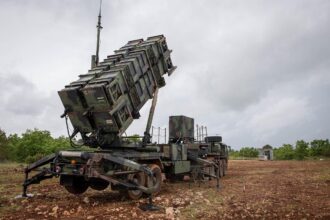
US Firms Resist Ukraine Patriot License
American manufacturers' resistance to licensing Ukraine to build Patriot interceptors is less about intellectual property than about competition, The Atlantic reported on August 8, citing a Republican official who supports granting Kyiv the license. Manufacturers fear Ukraine could improve the missile design and then mass-produce it faster and more cheaply than US factories currently can, according to the report. Raytheon and Lockheed Martin will officially attribute their reluctance to "intellectual property theft and technology transfer" concerns, according to the congressional source cited in The Atlantic. The tension follows a swerve in US policy. President Trump pledged at the NATO summit in Ankara on July 8 to license Ukrainian production, and Raytheon and Lockheed Martin both opened co-production talks with Kyiv within the following three weeks. By late July, however, Trump told the Financial Times that he was "not sure" he would follow through, saying "we're looking at it" and that…
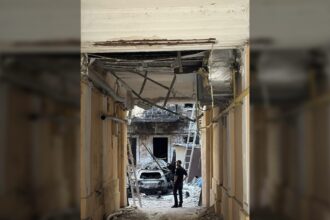
Russia Strikes Odesa and Kharkiv. Ukraine strikes Belgorod.
Russia struck Odesa overnight into Sunday in a massed missile attack, and Ukraine's Air Force said none of the incoming missiles were intercepted. The Air Force reported the region was hit with Iskander, Onyx, Zircon and Kh-31P missiles, without specifying an exact number. Glavcom reported the strikes also involved more than 30 drones and hit power substations, cutting electricity in several districts. Oleh Kiper, head of the Odesa Regional Military Administration, reported residential buildings and infrastructure were damaged citywide; a Telegram channel citing local sources put the toll at eight injured, with a four-story residential building and nearby cars on fire in the city center. Kharkiv was hit separately overnight. A drone struck a 10-story residential building in the city's Saltivka district, killing two people, according to Oleh Syniehubov, head of the Kharkiv Regional Military Administration, who posted preliminary details on his official channel. Casualty figures were still being clarified…
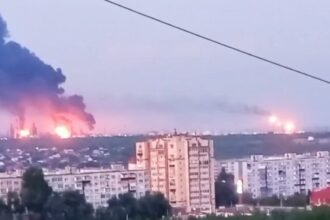
Ukrainian Drones Hit Two Russian Oil Refineries
Ukrainian drones struck two Russian oil refineries overnight into August 8, sparking fires in Krasnodar and Samara regions as Russia and Ukraine exchanged large-scale attacks, according to Bloomberg and Ukrainian outlets. A fire broke out at Russia's Ilsky refinery after falling debris from a downed drone struck the facility, injuring five people, regional authorities said. Russia's Defense Ministry said it intercepted 397 Ukrainian drones overnight. Separately, explosions were reported around 2 a.m. in Syzran, Samara Oblast, followed by a large fire at the Syzran refinery, Ukrainska Pravda reported, citing monitoring channel Exilenova+. The fire was still burning as of Saturday morning; Russian authorities have released no casualty or damage figures. This is at least the eleventh reported strike on the plant since late 2025, with the facility previously forced to fully halt processing after strikes in May and July damaged its main refining units. The strikes extend Ukraine's monthslong campaign…
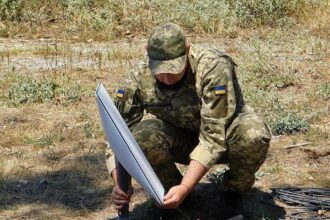
Musk Blocks Ukraine’s Starlink Use for Russia Strikes
Elon Musk has so far declined to let Ukraine use Starlink to guide strikes on Russian ballistic missile launchers inside Russia, despite ongoing lobbying from Kyiv, The Atlantic reported August 7. SpaceX's geofencing currently permits Ukrainian forces to use Starlink across all internationally recognized Ukrainian territory, including occupied Crimea and other Russian-held oblasts, but blocks it inside Russia's own sovereign territory. The dispute is less a political disagreement than an operational one. Ukraine wants Starlink-guided drones to hunt and destroy mobile Iskander and KN-23 ballistic launchers before they fire — what Fire Point co-founder Denys Shtilerman called shifting from "shooting down arrows" to "hitting the archers." The tactic matters because Ukraine's stock of PAC-3 Patriot interceptors, needed to shoot down missiles already in flight, has been sharply depleted this year and cannot be replenished quickly; Kyiv is offering the deep-strike option partly as a substitute for interceptors Washington cannot supply.…
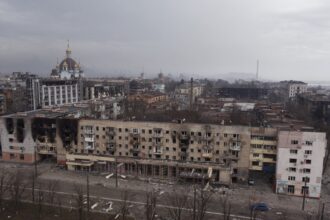
Russian-Occupied Ukraine Rated World’s Least Free
Russian-occupied territories of Ukraine have been rated the lowest-scoring place in Freedom House's Freedom in the World 2026 assessment, receiving a global freedom score of –1 out of 100. The score applies to "Russian-occupied territories of Ukraine" as a unified related-territory entry, not to sovereign, government-controlled Ukraine, which Freedom House rates at 51/100 and classifies as Partly Free. Freedom House says it began assessing Crimea, eastern Donbas and other Russian-occupied areas together in the 2025 edition because conditions across the occupied territories had become similar. The watchdog says Russian occupation authorities have eliminated genuine political competition, suppressed independent media and applied repressive Russian law in territories seized and annexed in violation of international law. The rating also reflects coercive passportization. A 2023 Russian presidential decree treated Ukrainians in occupied areas who refused Russian citizenship as foreign citizens, while a March 2025 decree required Ukrainians without legal status to regularize it…
