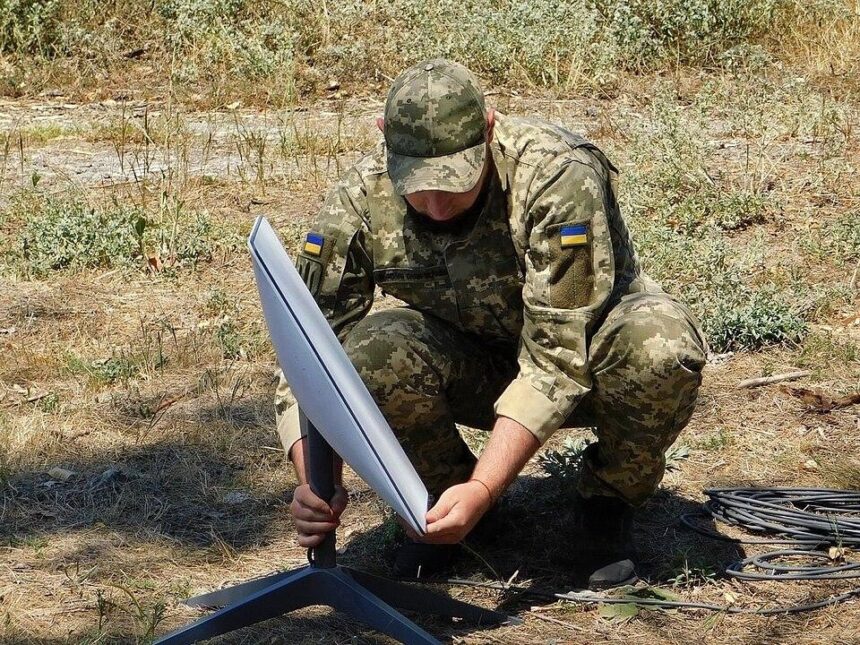
Elon Musk has so far declined to let Ukraine use Starlink to guide strikes on Russian ballistic missile launchers inside Russia, despite ongoing lobbying from Kyiv, The Atlantic reported August 7. SpaceX’s geofencing currently permits Ukrainian forces to use Starlink across all internationally recognized Ukrainian territory, including occupied Crimea and other Russian-held oblasts, but blocks it inside Russia’s own sovereign territory.
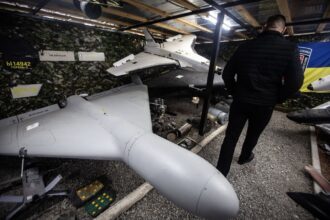
The dispute is less a political disagreement than an operational one. Ukraine wants Starlink-guided drones to hunt and destroy mobile Iskander and KN-23 ballistic launchers before they fire — what Fire Point co-founder Denys Shtilerman called shifting from “shooting down arrows” to “hitting the archers.” The tactic matters because Ukraine’s stock of PAC-3 Patriot interceptors, needed to shoot down missiles already in flight, has been sharply depleted this year and cannot be replenished quickly; Kyiv is offering the deep-strike option partly as a substitute for interceptors Washington cannot supply.
Musk, sources told The Atlantic, keeps telling Ukrainian officials it’s “time to make a deal” and cites the risk of further escalation. “At the moment, there is no positive decision,” one source said.
The channel through which Kyiv is making its case has also shifted. Mykhailo Fedorov, who built a working relationship with Musk as defense minister and helped get Starlink service into Ukraine in 2022, was dismissed in a recent government reshuffle. He has continued lobbying Musk informally; he said August 6 he remains in direct contact but called the effort “a difficult task right now,” Kyiv Independent reported. With no minister holding that channel formally, Zelensky raised the request himself directly with Donald Trump at a July 28 White House meeting, asking him to intervene with Musk. Trump said he would raise it but made no commitment, and Musk separately declined a request to meet Zelensky in person.