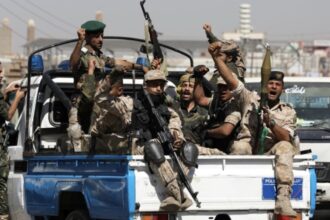
Yemen’s Houthi rebels declared an immediate maritime blockade against Saudi Arabia on Monday, putting the kingdom’s Red Sea oil exports at risk, according to Bloomberg.
Houthi military spokesperson Yahya Saree framed the move as retaliation for what the group calls a decade-long Saudi siege on Yemeni ports, airports, and the capital, Sana’a, describing it as an “eye for an eye” and warning that any Saudi response would be met with comprehensive escalation, according to The Jerusalem Post.
The announcement follows a truce that had held since 2022 but broke down this month: Saudi Arabia struck Sanaa International Airport on July 13 to block a flight carrying a Houthi delegation returning from Iranian Supreme Leader Ali Khamenei’s funeral, and the Houthis responded with missiles against Abha airport in southern Saudi Arabia, according to ABC News.
The Houthis have not detailed how the blockade will be enforced. That said, sources close to the group told Reuters on July 16 that drones and missiles were already positioned near the Bab al-Mandeb Strait, the chokepoint at the Red Sea’s southern mouth. That positioning stems from a separate Iranian directive, reported four days earlier, tied to a different trigger: instructions to close the strait if the United States struck Iran’s power grid, according to FDD.
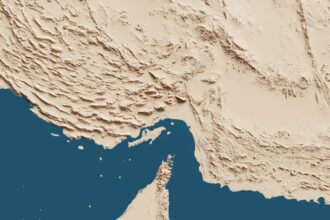
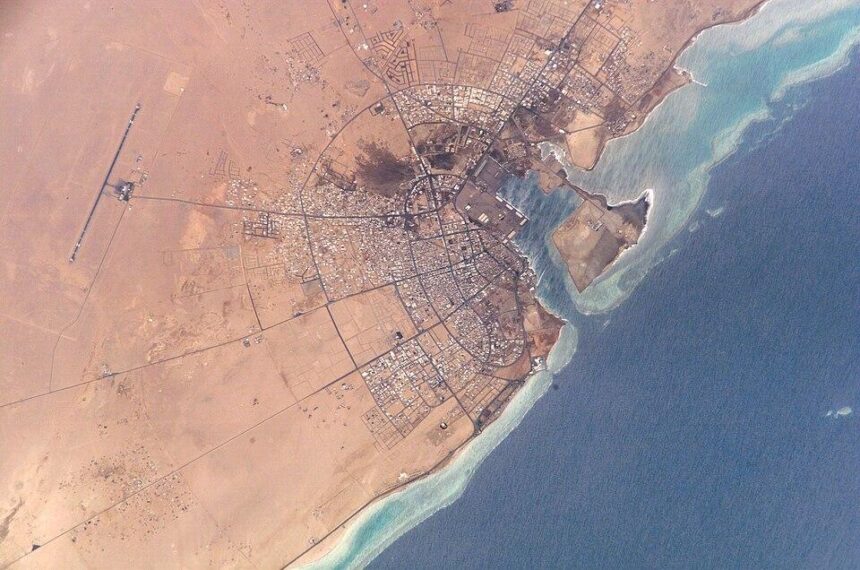
The timing compounds an existing vulnerability in Saudi energy logistics. With the Strait of Hormuz closed since Iran’s blockade of the waterway in March, Riyadh has been routing crude via its 746-mile East-West Pipeline, known as Petroline, which carries oil overland to the Red Sea port of Yanbu, according to Al Jazeera. A Houthi blockade at the Yanbu end of that route would leave Saudi exports squeezed at both of the kingdom’s chokepoints rather than just one.
Saudi Arabia had not issued an official response as of Monday, and analysts caution that a prolonged confrontation could destabilize the region further and raise the risk for commercial vessels transiting the Red Sea, according to Sunday Guardian Live.