U.S. and Iranian forces struck each other for a third time in a week, an exchange that effectively confirms the collapse of the ceasefire framework established by the June 17 Memorandum of Understanding (MOU), rather than another round in the contained retaliation cycle that had defined the conflict since April. President Donald Trump declared the ceasefire “over” on July 8, and the strikes that followed have expanded in both scale and geographic reach beyond the pattern of previous flare-ups.
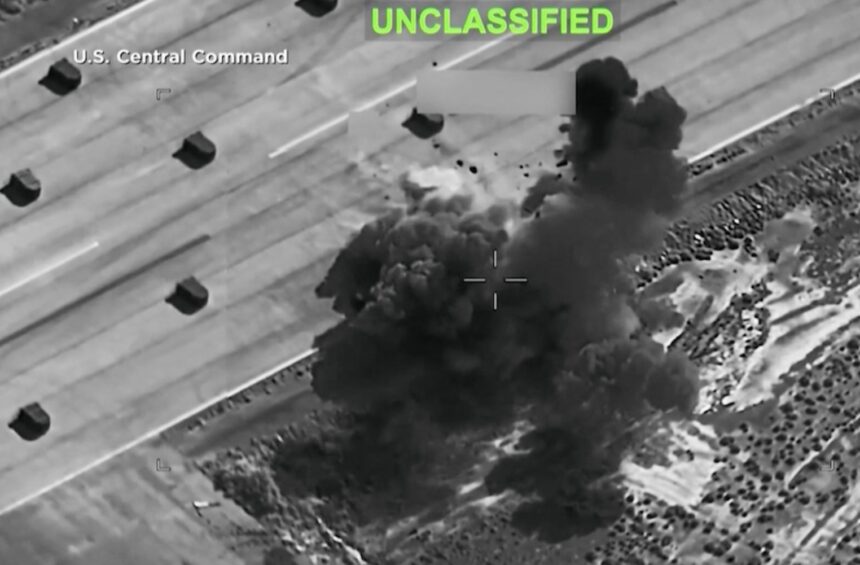
U.S. Central Command (CENTCOM) said American forces struck approximately 140 military targets across Iran on Saturday, including missile and drone sites, naval capabilities, ammunition depots, communications networks and coastal surveillance positions. According to CENTCOM, the latest operation brings the total number of reported U.S. strike targets this week to more than 300 and is intended to degrade Iran’s ability to attack civilian mariners and commercial vessels transiting the Strait of Hormuz. That objective explains why surveillance and communications facilities featured prominently among the targets: Washington argues they are integral to Iran’s maritime targeting network rather than merely supporting infrastructure.
The operation followed an Iranian attack on the Cyprus-flagged container ship GFS Galaxy, which CENTCOM said suffered significant engine-room damage and a fire, leaving one civilian crew member missing. Iran’s Revolutionary Guards said the vessel had entered what it described as an unauthorized transit route and that Iranian forces fired what they called a warning shot.
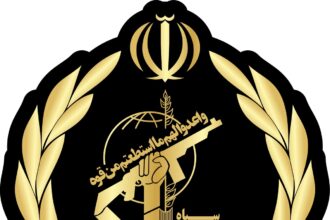
The explanation fits a broader Iranian policy that has emerged in recent weeks. The Islamic Revolutionary Guard Corps (IRGC) has repeatedly warned shipowners that routes through Hormuz established without coordination with Tehran are “unacceptable and dangerous,” instructing vessels to contact the IRGC Navy before transiting the strait. In May, the U.S. Treasury Department sanctioned Iran’s Persian Gulf Strait Authority, accusing it of helping Tehran establish de facto regulatory control over one of the world’s most strategically important maritime chokepoints. Oman has separately proposed dividing the strait into a southern international shipping corridor and a northern lane requiring Iranian coordination, although neither Washington nor Tehran has formally endorsed the proposal.
Iran’s retaliation reached further than previous rounds. The United Arab Emirates and Qatar reported intercepting Iranian attacks directed toward their territory. Separately, the IRGC claimed responsibility for destroying a command center and drone hangars at Jordan’s Prince Hassan Air Base, while Iranian state media reported strikes on a Patriot air-defense battery, an ammunition depot and a radar facility in Kuwait. As of publication, neither Jordanian, Kuwaiti nor U.S. authorities had confirmed those claims.
Iran’s Revolutionary Guards also declared the Strait of Hormuz closed until further notice, but CENTCOM rejected the announcement, saying commercial traffic continued through the waterway. The command said U.S. forces have helped facilitate the transit of more than 800 commercial vessels carrying roughly 400 million barrels of crude oil since early May, underscoring Washington’s effort to frame the campaign as one aimed at preserving freedom of navigation rather than expanding the conflict.
The latest exchange suggests the confrontation has entered a new phase. Rather than a bilateral cycle of calibrated retaliation between Washington and Tehran, military operations are increasingly centred on the security of international shipping, Gulf host states and the infrastructure underpinning global energy markets. That shift raises the risk that further escalation could draw additional regional actors directly into the conflict while making the Strait of Hormuz – not Iran’s nuclear programme – the principal arena of the crisis.