The collapse of the Islamabad Memorandum’s fragile truce is not an accidental drift.
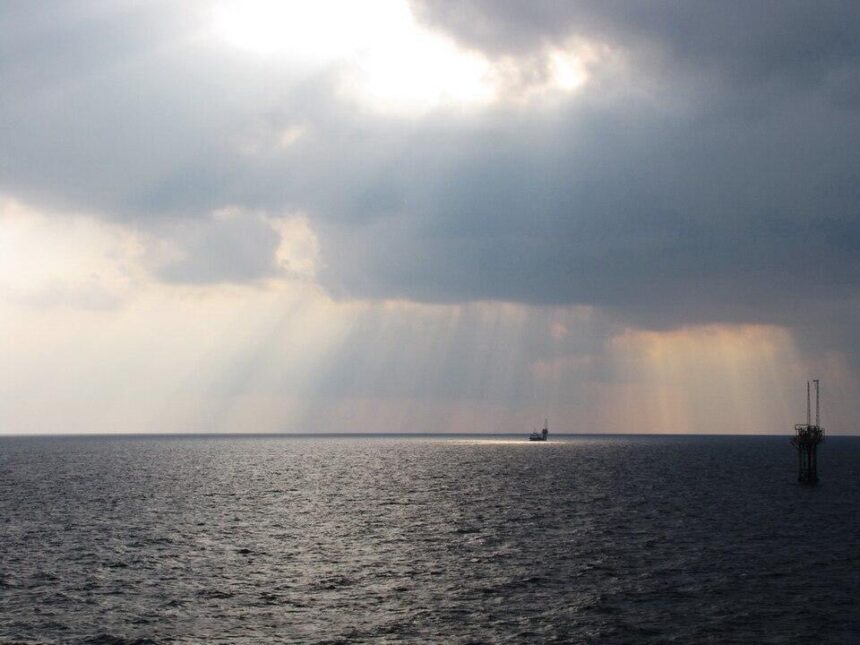
It reflects a calculated Iranian strategy to assert control over the Strait of Hormuz, where Tehran has pushed commercial vessels toward routes and protocols set by the regime itself, a bid for what Britannica describes as hegemonic control over one of the world’s most volatile oil chokepoints.
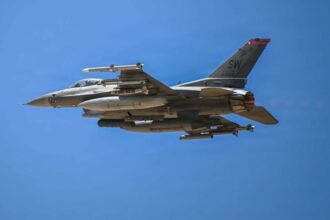
Iran’s attacks on three tankers on July 6 and 7 forced the issue, and Washington answered not with a proportional response but with a deliberate expansion of the target set.
On July 9, US Central Command struck approximately 90 sites, and Iranian officials say the wave reached beyond conventional military infrastructure into the country’s most sensitive domestic red lines.
A Bushehr provincial official told Turkiye Today that projectiles struck the perimeter of the Bushehr Nuclear Power Plant, Iran’s only operating civilian reactor, as well as piers at Asaluyeh, near the South Pars gas hub that supplies much of the country’s energy export capacity.
Washington has not confirmed the Bushehr strike, and the claim rests on Iranian state and provincial sources rather than independent verification, a sourcing gap worth noting given the IAEA’s repeated warnings that damage to the plant’s cooling infrastructure could trigger a regional radiological event.
The funeral spectacle for Ali Khamenei, which concluded with his burial in Mashhad on July 10, doubles as political theater for a regime managing a genuine succession crisis.
His son and successor, Mojtaba Khamenei, has not appeared in public since the February 28 strike that killed his father, and multiple outlets, including CNN and Al Jazeera, have reported severe burns and leg injuries that officials describe as minor fractures.
His absence from his own father’s funeral, attributed by Tehran to security threats, has fed public doubt inside Iran about who actually controls the state.
That uncertainty compounds a dual-track contradiction in Washington’s posture. President Trump declared the ceasefire “over” after the tanker attacks, yet a US official told Fox News that technical talks continue despite Iran’s violations.
Qatari and Pakistani mediators reported “positive progress” in Doha talks tied to the memorandum before the funeral recess, according to CNN.
Read together, the strikes function as coercive leverage inside an active negotiation rather than a return to open war, pressure applied to rewrite implementation terms while the Pakistani-brokered process remains nominally alive.