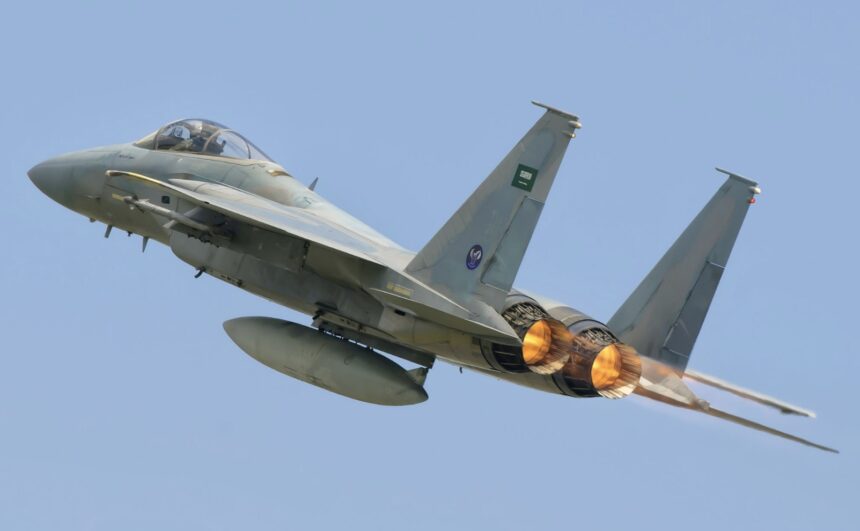
The United States and Saudi Arabia carried out coordinated airstrikes against Iran-aligned armed groups in Iraq on July 28, widening the regional war after repeated drone attacks targeted Saudi energy infrastructure and U.S. forces.
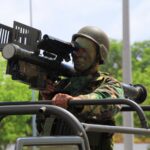
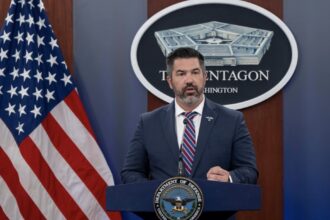
U.S. Central Command said the operation hit logistics and weapons sites belonging to groups it accused Iran’s Islamic Revolutionary Guard Corps of directing against Saudi and American targets. Saudi Arabia said the strikes followed drone attacks launched from Iraqi territory against petroleum facilities in the Eastern Province and Riyadh.
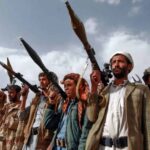
Iran denied involvement, while the Islamic Resistance in Iraq, an umbrella organization for Iran-aligned armed factions, rejected Saudi accusations and warned of retaliation.
The operation marks a significant shift for Saudi Arabia. Riyadh has spent months intercepting Iranian missiles and drones targeting its territory, but striking targets inside Iraq moves the kingdom from air defense into direct offensive action against Iran-aligned forces beyond its borders.
Iraq’s Popular Mobilization Forces said eight of its members were killed and four wounded in the strikes, according to Al Jazeera. The casualty figures have not been independently verified.
The strikes also put Baghdad in a difficult position. The PMF is formally part of Iraq’s state security apparatus, but includes powerful factions closely aligned with Iran. Prime Minister Ali al-Zaidi had already ordered an investigation into the drone attacks and said Iraq would not allow its territory to be used to attack neighboring states.
Saudi Arabia’s direct intervention now raises the risk that militia retaliation could turn Iraq into a more sustained battlefield in the wider Iran war.