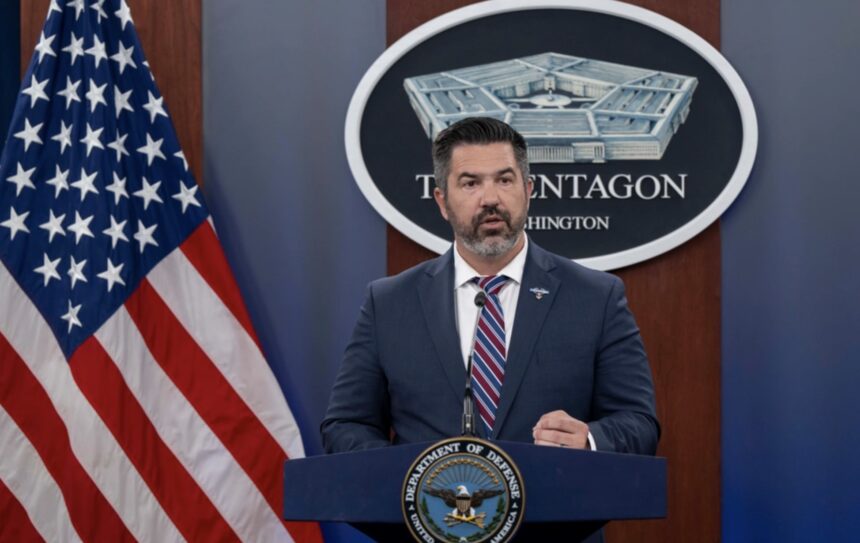
Nearly 100 U.S. service members have been injured since fighting with Iran resumed on July 7, chief Pentagon spokesperson Sean Parnell said Tuesday, adding that 96% have already returned to duty and that the “vast majority” suffered minor concussions or other non-life-threatening injuries, according to statements confirmed by CBS News and CNN.
Even when U.S. air defenses intercept incoming drones and missiles, nearby detonations can still generate powerful blast waves capable of causing mild traumatic brain injuries among personnel sheltering in bunkers or defensive positions. Medical researchers have long identified blast overpressure as a leading cause of concussion in modern warfare, even without a direct hit.
Parnell’s disclosure came after CNN reported that the Pentagon has been slow to publicly confirm non-fatal casualties, relying primarily on the Defense Casualty Analysis System – a public database that Pentagon officials acknowledged may lag battlefield reporting by days or weeks – rather than routine military briefings. Parnell rejected suggestions that the delays reflected an effort to conceal casualties, saying real-time disclosure “is the same as providing that information directly to our adversaries.” Critics, including lawmakers calling for greater congressional scrutiny of the conflict, argue the practice has limited public oversight of the war’s human cost. The Pentagon maintains the reporting delays are intended to protect operational security and ensure casualty information has been medically verified before release.
The growing injury count comes as the Trump administration seeks $87.6 billion in emergency supplemental funding for operations related to the conflict, including billions of dollars to replenish missile-defense interceptors consumed during months of sustained combat. Analysts at CSIS have estimated that U.S. stocks of THAAD interceptors were heavily depleted during the campaign, underscoring how repeated Iranian missile and drone attacks are placing simultaneous strain on both American personnel and critical air-defense inventories.