Fighting between Pakistani forces and Afghanistan’s de facto security forces killed 499 civilians and wounded 1,216 inside Afghanistan between October 1, 2025, and June 30, 2026, the United Nations Assistance Mission in Afghanistan (UNAMA) said in a report published July 28.
Between April and June alone, UNAMA documented 57 civilians killed and 342 wounded — 40 women and 112 children among them. It attributed every cross-border civilian casualty recorded in the quarter to Pakistani security forces, with airstrikes and ground engagement the leading causes.
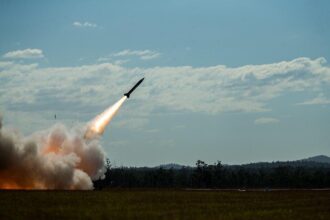
The heaviest single toll came on June 28, when two successive Pakistani airstrikes struck a residential building in Paktia province. The second strike hit residents who had gathered to search the rubble for survivors of the first. UNAMA recorded 22 dead, five of them children, and at least 185 wounded in the incident. Fiona Frazer, UNAMA’s director of human rights, said international humanitarian law affords special protection to first responders and prohibits attacking them while they work.
The accounting is geographically limited: UNAMA is mandated to investigate incidents in Afghanistan, not Pakistan. Islamabad has not published a consolidated figure for civilians killed on its side.
The conflict’s deadliest verified incident remains Pakistan’s March 16 strike on Kabul’s Omid drug-treatment centre, which UNAMA has verified killed at least 269 people and wounded 122. An Amnesty International investigation, based on more than 60 photographs and videos and over 30 satellite images, identified one munition used as a Takbir precision-guided bomb and found no footage of secondary explosions of the kind that would support Islamabad’s account. Pakistan’s information minister, Attaullah Tarar, said the strike hit “technical support infrastructure and ammunition storage facilities” and that secondary blasts indicated large ammunition stocks; Amnesty said the visual evidence it reviewed did not support that claim and called for the strike to be investigated as a possible war crime. Pakistan has rejected the finding, maintaining it struck a legitimate military target in self-defence.
Islamabad says Afghanistan’s Taliban government allows the TTP to operate from Afghan territory. A UN sanctions-monitoring team reported in February that the de facto authorities continued to provide a permissive environment for the group. Kabul denies providing sanctuary.
On July 30, militants attacked the Khazina police post in Hangu district, killing 11 officers and wounding more than two dozen. Police said the attackers used heavy weapons and ambushed reinforcements, damaging an armored personnel carrier. Security forces reported killing 15 attackers.
That attack falls outside UNAMA’s Afghan casualty count and does not establish Afghan government involvement. UNAMA’s mandate covers only incidents inside Afghanistan, and Pakistan has published no consolidated civilian toll for its own side of the border. This prevents a symmetrical comparison between the two countries, but does not alter UNAMA’s attribution of all Afghan-side casualties documented during the quarter to Pakistani forces.