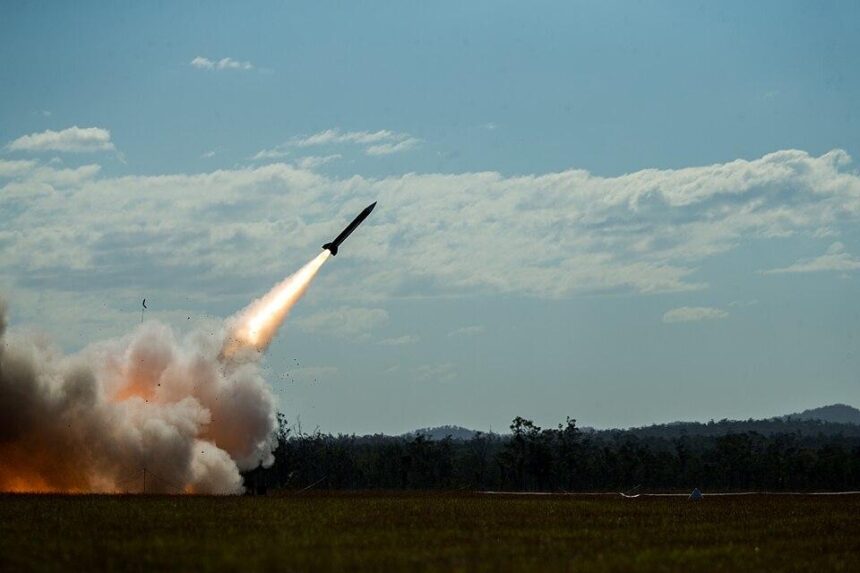
President Trump’s decision to shelve a planned two-week intensification of strikes on Iran followed a private warning from his own top general. General Dan Caine, chairman of the Joint Chiefs of Staff, cautioned Trump, in an account officials gave to the Wall Street Journal, that continued high-tempo strikes would deepen an already severe depletion of interceptor stock, with the war having consumed over 1,500 Patriot interceptors against a US production line that replaces only a few hundred a year, a burn rate no surge in spending can quickly reverse.
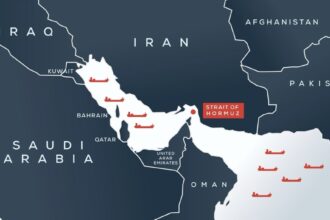
CENTCOM’s Adm. Brad Cooper offered a narrower, separate rationale, not a rebuttal of Caine’s warning. Cooper told the Pentagon, in a briefing detailed by Axios, that roughly 80 percent of designated targets around the Strait of Hormuz had already been struck, leaving continued bombing pointless absent a decision to escalate to full-scale combat operations and hit the remaining fifth.
The dispute has since spilled into a fight over disclosure itself. U.N. Ambassador Mike Waltz, in remarks aired on NBC News, said leaks about the shortage endanger national security and that those responsible “deserve to be in jail.” That response, paired with the White House’s refusal to release current interceptor totals, functions less as reassurance than as cover: it shields a structural supply-chain gap, the mismatch between wartime burn rates and peacetime production capacity, from the public scrutiny that would otherwise follow it.