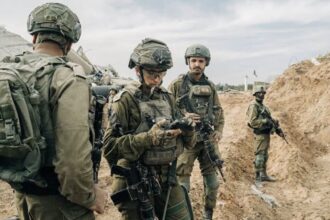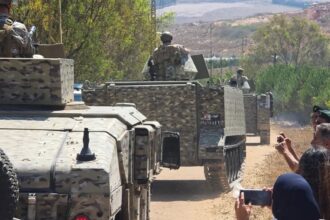
US Central Command struck Greater Tunb Island on July 15, targeting cruise missile storage and launch sites along with coastal defense systems in a 90-minute wave, according to AP. Iran seized the island along with Abu Musa and Lesser Tunb from what would become the UAE in 1971, and the UAE has sought their return. Some analysts cited in the AP report suggested that US control of the islands could translate into control of the strait itself.
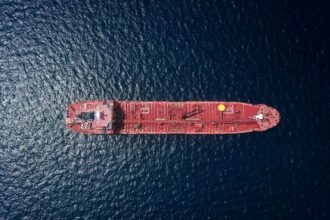
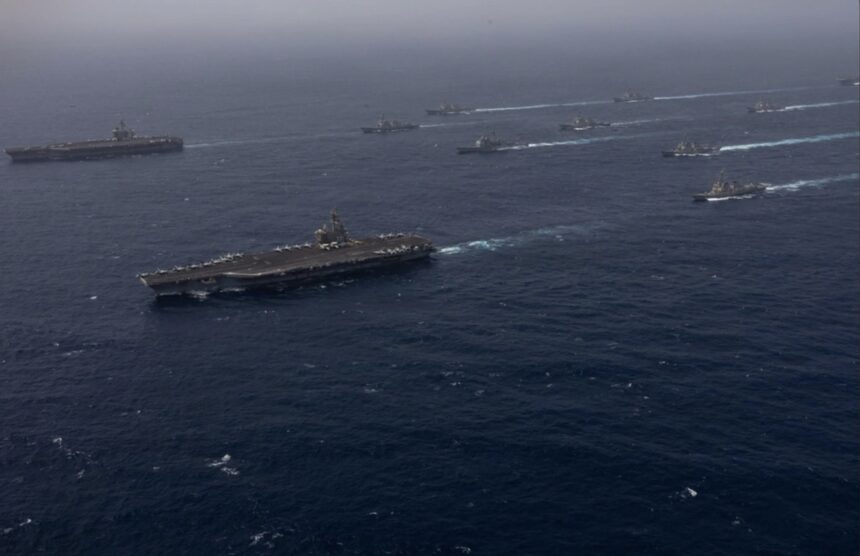
The strike came as the US naval blockade, reinstated July 14, passed its first full day. Within 17 hours, Central Command said it had redirected two commercial vessels attempting to run the blockade, adding it “remains vigilant and prepared to ensure full compliance.” A separate strike hit a barracks for Iran’s 388th Mechanized Infantry Brigade in Sistan and Baluchestan province, killing at least seven and wounding more than 260 people nationwide, Iranian officials said.
Iran’s parliament speaker and lead negotiator, Mohammad Bagher Qalibaf, said the United States had abandoned diplomacy and was now trying to force open the strait after “having exhausted its legal and diplomatic options.” Iran’s Revolutionary Guard threatened to halt all regional energy exports over the blockade, declaring oil and gas would flow “either for everyone or for no one.”
The standoff carries a domestic cost for Washington. Rising oil, fertilizer, and goods prices tied to the strait’s closure pose a direct challenge to Trump and Republicans ahead of November’s congressional elections, the AP noted. Trump had floated a 20 percent transit fee for the strait on July 13, declaring on Truth Social that the US would from then on be known as “the Guardian of the Hormuz Strait.” He dropped the toll plan a day later after Gulf leaders offered to invest “billions and billions of dollars” in the US instead, according to CNN Politics.