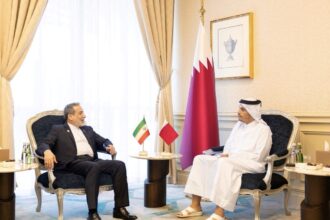
Foreign sponsorship has become a central operational driver of Sudan’s civil war. Competing supply networks give both sides access to drones, munitions and logistics that help them replace losses and continue fighting despite repeated peace efforts.
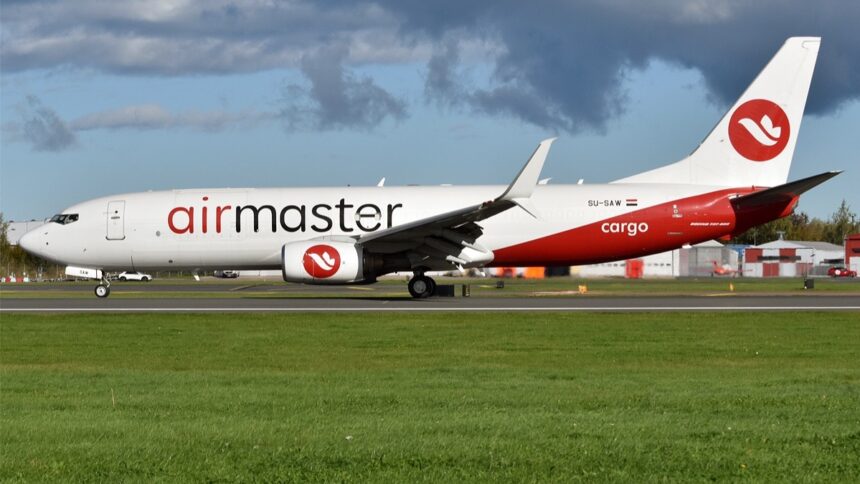
Flight-tracking records show SU-SAW, a Boeing 737-8F2 operated by the Egyptian cargo carrier Air Master, flying from Istanbul to Port Sudan on June 26. The record confirms that the route was used; it does not establish what the aircraft carried.
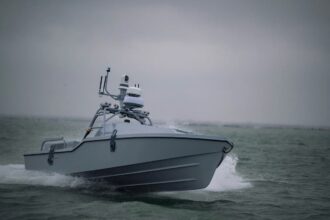
Ground evidence supplies context absent from flight data. The Washington Post reported that Baykar supplied SAF with at least $120 million in drones, warheads, and supporting equipment under a contract and end-user certificate reviewed by the newspaper. Amnesty International documented recently manufactured Turkish, Chinese, Russian, and Emirati weapons inside Sudan. ACLED tracks SAF’s variable network of Turkish, Egyptian, Iranian, Saudi, and Eritrean support against RSF’s dependence on alleged Emirati backing.
External supplies can reduce the material pressure that might otherwise encourage compromise. They are not the only reason negotiations have failed, but they give both factions additional capacity to continue fighting.