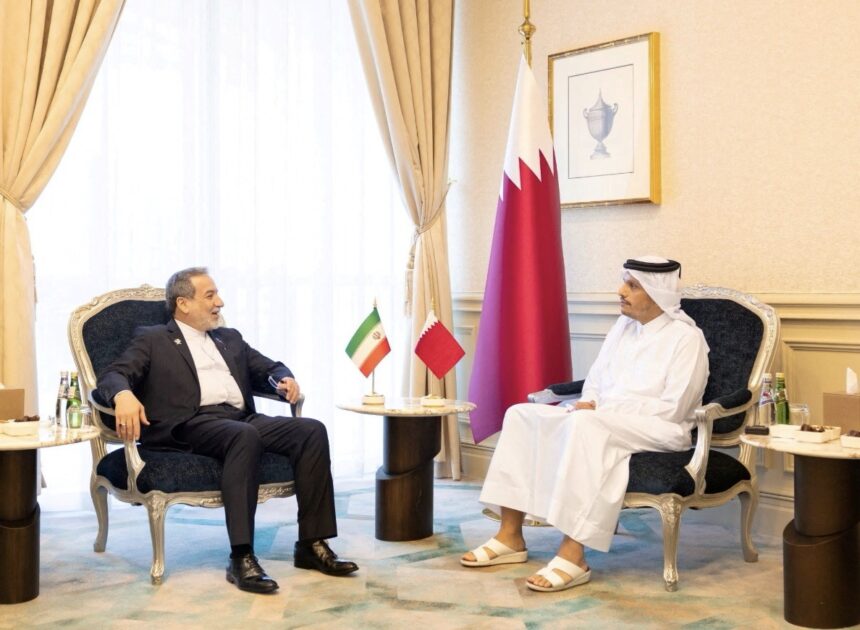
Qatari negotiators have traveled to Iran in coordination with the United States, according to Axios. Qatar is not acting alone. According to the same report, officials from Qatar, Pakistan, Turkey, Egypt and Saudi Arabia have held a wave of calls with both Washington and Tehran, reflecting growing regional concern that the crisis has evolved beyond a bilateral U.S.-Iran confrontation into a Gulf-wide security emergency.
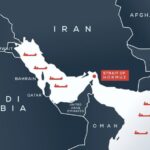
The diplomatic push follows a rapid escalation. Iran struck three commercial vessels in the Strait of Hormuz on July 7. The United States responded with retaliatory strikes that expanded from roughly 80 targets on the first night to about 90 on the second, hitting air-defense systems, coastal surveillance sites and naval assets across southern and eastern Iran. Iran’s Health Ministry said the strikes killed 14 people and wounded 78. Tehran then retaliated with missile and drone attacks against U.S. military facilities in Bahrain, Kuwait, Qatar and Jordan on Thursday.
The fighting has also exposed divisions over Tehran’s diplomatic course. According to a regional source involved in the mediation effort cited by Axios, negotiators believe the attacks on commercial shipping were initiated by factions inside the Iranian government opposed to the June memorandum, seeking to undermine the diplomatic framework rather than reflecting a unified decision by Tehran to abandon negotiations. President Donald Trump subsequently declared the agreement “over” after the attacks, although U.S. officials say technical-level contacts with Iran have continued.
Qatar’s immediate objective appears more limited than securing a comprehensive settlement. Its negotiators are working to prevent another cycle of retaliation, maintain a communication channel between Washington and Tehran and preserve enough of the June framework to allow technical negotiations to resume once military tensions subside.
The effort extends beyond quiet shuttle diplomacy. In a telephone call with Iranian Foreign Minister Abbas Araghchi, Qatari Prime Minister Sheikh Mohammed bin Abdulrahman Al Thani condemned the attacks on commercial vessels in the Strait of Hormuz, according to Qatar’s Foreign Ministry. He said the incidents came despite an atmosphere of de-escalation, warned that they threatened international navigation and regional stability, and urged all parties to return to dialogue and implement the memorandum.
The parallel military and diplomatic tracks underscore how regional mediation has evolved. Doha is no longer working solely toward a final political settlement; it is functioning as an emergency crisis-management channel designed to prevent battlefield escalation from collapsing negotiations altogether. The coordinated effort also reflects a broader regional calculation: preventing another round of U.S.-Iran escalation has become a shared security interest for Gulf and Middle Eastern governments, despite their differing relationships with Washington and Tehran.