Sudan’s Ministry of Health declared a cholera outbreak in West Kordofan state on 29 June, and within days the World Health Organization reported 120 deaths and 1,102 suspected cases recorded since May across conflict-affected areas. Those figures imply a case fatality rate of about 10.9 percent – more than ten times the level public health officials generally consider achievable with timely treatment.
The statistic is significant because cholera is rarely this deadly when healthcare remains accessible. According to WHO guidance, prompt diagnosis and oral or intravenous rehydration therapy can keep mortality below 1 percent. A fatality rate approaching 11 percent therefore points less to an unusually virulent outbreak than to the collapse of access to care.
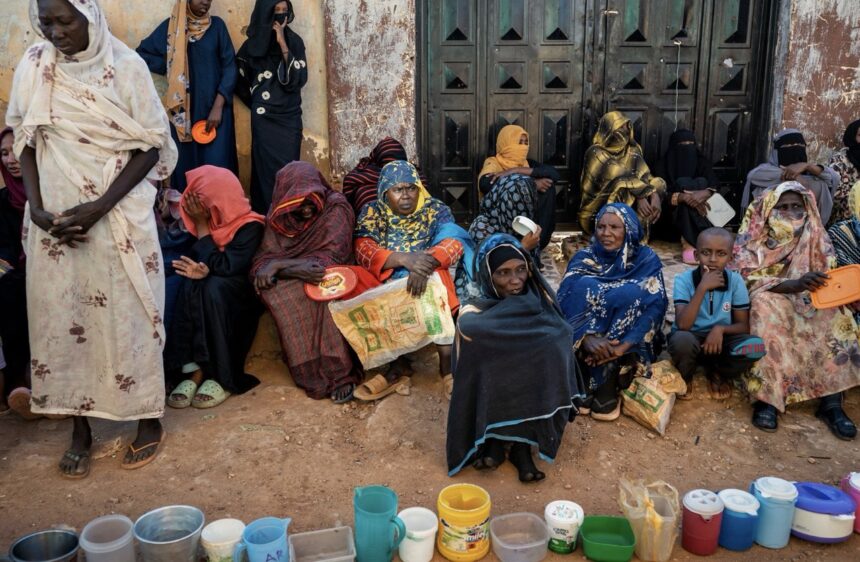
In West Kordofan, civilians are caught between the fighting of the Sudanese Armed Forces (SAF) and the Rapid Support Forces (RSF), with damaged health facilities, disrupted supply routes and insecurity preventing many patients from receiving treatment before dehydration becomes fatal.
Earlier WHO data show the same pattern. On 29 June, WHO Director-General Tedros Adhanom Ghebreyesus said that, as of 20 June, West Kordofan’s health authorities had recorded 838 suspected cases, seven laboratory-confirmed infections and 117 deaths – a case fatality rate of nearly 14 percent. While reported infections have since increased, the ratio of deaths to cases has remained exceptionally high, suggesting persistent barriers to treatment rather than improving disease control.
The outbreak is Sudan’s third cholera wave in three years, arriving barely two months after the previous epidemic was officially declared over. WHO Representative in Sudan Shible Sahbani said cholera once appeared in roughly three-year cycles but now returns almost continuously because of conflict, restricted humanitarian access and chronic shortages of medical supplies. The previous outbreak, which lasted from July 2024 to March 2026, infected more than 124,400 people and killed around 3,500, according to Sudanese health authorities.
The timing is especially worrying. Sudan’s rainy season normally intensifies between August and September, when flooding contaminates water sources, damages sanitation infrastructure and makes many roads impassable. For humanitarian agencies already struggling to reach isolated communities, the seasonal rains could further delay the delivery of medicines, rehydration supplies and clean water.
The wider humanitarian response is also constrained by funding shortages. The 2026 Humanitarian Needs and Response Plan, which aims to assist 33.7 million people, was only around 16 percent funded by April, according to the Stimson Center. WHO has similarly warned that its Sudan operations remain significantly underfunded as health needs continue to expand.
The figures point to a crisis extending beyond the disease itself. Cholera is a treatable infection. Yet in West Kordofan, the exceptionally high mortality rate has become an indicator of a health system fractured by war, where survival increasingly depends not on the availability of medicine, but on whether civilians can safely reach it before it is too late.