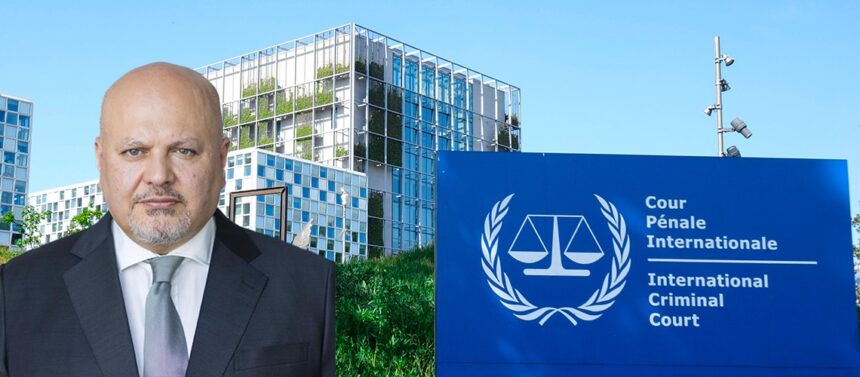
International Criminal Court member states removed prosecutor Karim Khan on July 24 for “serious misconduct and serious breach of duty.” 82 states voted for removal, 13 against and 15 abstained, marking the first dismissal of a chief prosecutor in ICC history.
Khan had been suspended since June over sexual-misconduct allegations involving a subordinate. Documents reviewed by AP said he had an inappropriate relationship and tried to deter her complaint. He denies wrongdoing and calls the process unfair. Khan’s lawyers and some rights groups note an internal judges’ panel had found insufficient evidence, a conclusion the Assembly’s Bureau overrode. His deputies will lead.
The scandal strikes at the ICC’s moral authority as Washington escalates its campaign against the court. Trump’s administration sanctioned Khan and several judges after warrants for Netanyahu and Yoav Gallant. On July 13, Secretary of State Marco Rubio vowed to “systematically disable” the court. The US cannot withdraw because it never joined.
The warrants for Benjamin Netanyahu and Vladimir Putin were not the ICC’s first against sitting leaders – Sudan’s Omar al-Bashir was targeted in 2009. But they broke ground by reaching a permanent UN Security Council member and a close Western ally. Khan’s dismissal does not invalidate them, since only judges can withdraw warrants.
Investigations into Ukraine, Gaza and Sudan still require the court, and no alternative venue exists to pursue them. Removing Khan is best read as self-correction, not self-harm: member states disciplined a failed individual while leaving the institution’s mandate intact. Whether that mandate survives simultaneous pressure from Washington and doubts about its own governance is the question the court’s members now face.