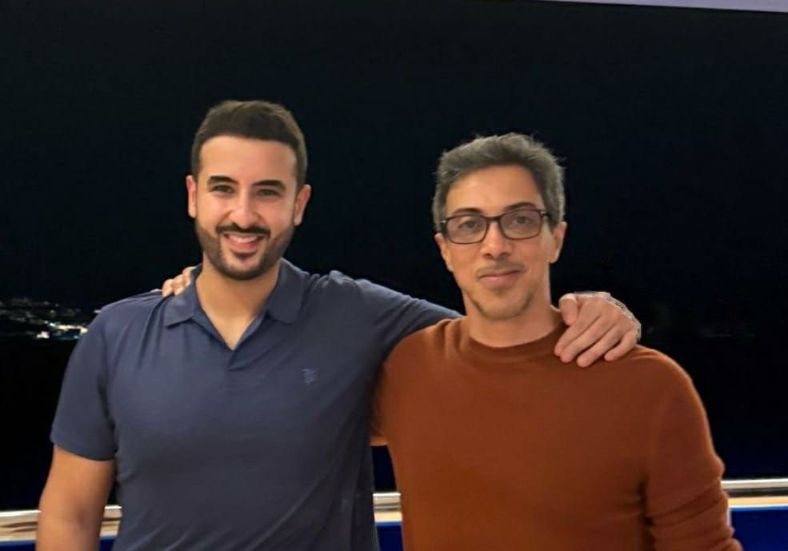
Saudi Defense Minister Khalid bin Salman and UAE Vice President and Deputy Prime Minister Sheikh Mansour bin Zayed. @Turki_alalshikh/X.
Saudi Arabia and the United Arab Emirates have staged a coordinated show of unity, an effort to contain a widening rift between the Gulf’s two most powerful Arab states.
Saudi Media Minister Salman Al-Dosary and UAE National Media Authority chairman Abdulla Alhamed posted near-identical statements at 7 p.m. on Tuesday, praising both leaderships and urging outlets not to undermine relations – a state-media directive as much as a sentiment. A photograph of Khalid bin Salman and Sheikh Mansour bin Zayed, arms around each other, was shared by Saudi royal court adviser Turki Alalshikh; Emirati adviser Anwar Gargash wrote that spears “refuse to be broken” together and “break if they part.”
The choreography amounted to a coordinated effort to control the public narrative and project restraint while Gulf security remains under pressure.
The split runs deeper than messaging. The UAE’s withdrawal from OPEC, effective May 1, freed Abu Dhabi to pursue production independently and exposed a lasting divergence from Riyadh’s oil-market strategy.
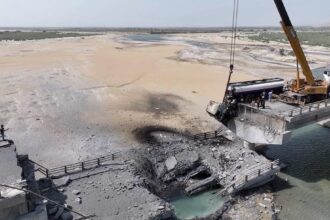
Iranian strikes on Gulf territory and Houthi threats to Saudi shipping have raised the cost of open feuding and increased the pressure for regional coordination. But the rivalries beneath – over Yemen, Red Sea ports and competition for foreign investment – remain unresolved. The unity on display is a security umbrella, not a reconciliation.