The US House has approved a $95 billion budget framework for President Donald Trump’s priorities – about $60 billion for the Pentagon and $13 billion for intelligence and national security – but the money is far from secured. The 216-214 vote, opposed by every Democrat along with two Republicans and one independent, only sets reconciliation instructions; it does not itself release the money, which cannot flow until a final bill clears both chambers.
That path is contested. Reconciliation would let the Senate pass a bill by simple majority, but Republicans there are split over its cost and structure, and fiscal hawks and Democrats are digging in. The House has left Washington until September.
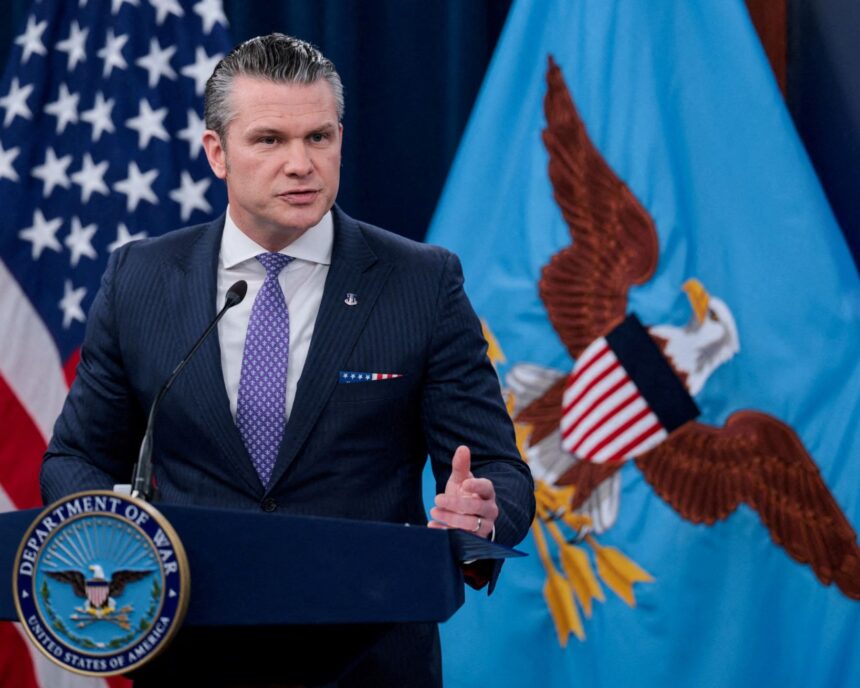
Defence Secretary Pete Hegseth put the war’s cost so far at $37.5 billion and is seeking tens of billions more to replenish weapons stocks. Semafor reported that the estimate is seen internally as an undercount, quoting a US official who said lower figures were offered to avoid “a bad news cycle,” and put the war’s likely cost above $100 billion. The same report said the Pentagon has begun curbing training to free funds for Gulf operations.
The strain is political as well as fiscal. A Reuters/Ipsos poll found that roughly half of Americans considered the war not worth its costs and 79% expected prolonged US involvement. With midterm campaigns already underway, the funding fight reflects a larger problem: the war has become longer, costlier and less politically sustainable than the quick victory Trump initially promised.