Iran and Israel Confrontation Continues to Shape Middle East Security

5 Min Read

The rivalry between Iran and Israel has emerged as one of the most volatile and consequential confrontations in the Middle East, influencing regional conflicts, international diplomacy and global security calculations.

For years, tensions between the two countries were largely fought indirectly through allied groups, intelligence operations and regional influence campaigns. That pattern broke down in 2024, when Iran and Israel struck each other directly for the first time, and it gave way to open warfare in 2025 and 2026.

Israel views Iran’s regional activities, missile capabilities and nuclear ambitions as major security threats. Israeli officials have repeatedly stated that preventing Iran from acquiring a nuclear weapon remains a national security priority and have emphasized their readiness to act against perceived threats.

Iran, meanwhile, rejects accusations that it seeks nuclear weapons and maintains that its nuclear program is intended for peaceful purposes. Iranian leaders argue that the country’s military and missile capabilities are necessary for national defense and deterrence in a region marked by instability and foreign intervention.

The confrontation extends far beyond the borders of the two countries. Conflicts in Lebanon, Syria, Iraq, Gaza and the Red Sea have all become interconnected with the broader Iran Israel rivalry, creating a complex network of security challenges across the Middle East.

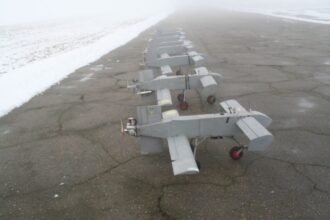
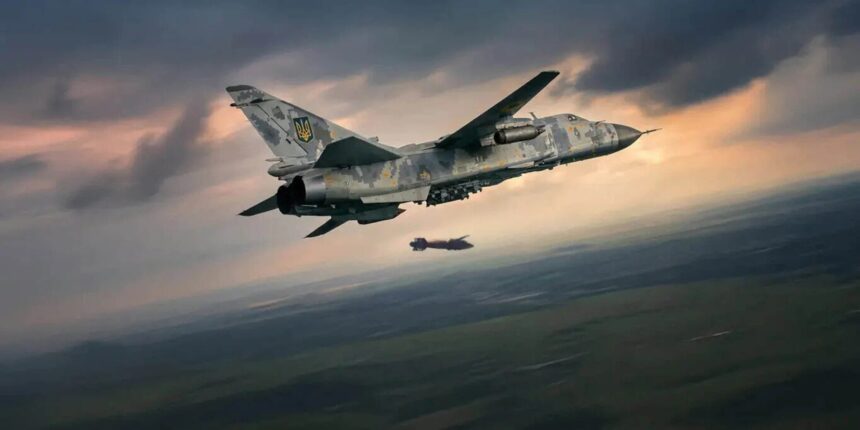
Military analysts note that both countries possess advanced military capabilities, including missile systems, air defenses, cyber warfare units and intelligence networks. The increasing use of drones and precision strike technologies has further transformed the nature of the confrontation.

In June 2025 the rivalry erupted into open conflict in what became known as the Twelve-Day War. Israel launched large-scale strikes on Iranian nuclear and military sites, Iran responded with waves of missiles and drones, and the United States joined the fighting by striking Iranian nuclear facilities before a ceasefire ended the war after twelve days.

A far larger war followed in 2026. Beginning in late February, the United States and Israel launched an intensive air campaign against Iran that killed Supreme Leader Ali Khamenei and many senior officials. Iran retaliated against Israel, against United States bases in the region and against several United States-aligned Gulf states, and disrupted shipping through the Strait of Hormuz. After weeks of fighting and repeated ceasefire attempts, the United States and Iran signed a memorandum of understanding in June 2026 intended to bring the war to an end, though the truce has remained fragile and a final settlement is still being negotiated.

These developments marked a dramatic shift from the shadow conflict that characterized earlier stages of the rivalry and have heightened fears that further incidents could reignite a broader regional war.

The United States and several regional governments closely monitor the situation, recognizing that any major conflict between Iran and Israel could affect energy markets, international shipping routes and broader regional stability.

Economic implications are also significant. Tensions frequently influence oil prices and investor confidence, particularly when concerns arise about the security of key maritime corridors in the Gulf region and surrounding waters.

Diplomatic efforts aimed at reducing tensions have faced considerable challenges. Deep political mistrust, competing strategic objectives and ongoing regional conflicts continue to complicate prospects for meaningful dialogue.

For civilians across the Middle East, the consequences of escalation could be severe. Humanitarian organizations and international observers have repeatedly warned that a wider conflict would place millions of people at risk and further destabilize an already fragile region.

After two direct wars in two years, the confrontation has entered a tense and uncertain phase. Much now depends on whether the 2026 ceasefire holds and whether negotiations can produce a lasting settlement, with the risk of renewed escalation remaining significant during periods of heightened military activity.

Regional governments continue to call for restraint and diplomatic engagement, emphasizing the importance of preventing isolated incidents from triggering broader military escalation.

As geopolitical competition, security concerns and regional conflicts continue to intersect, the Iran Israel confrontation remains one of the world’s most closely watched flashpoints. Its outcome will have implications not only for the Middle East but also for international security, global energy markets and the wider balance of power in the region.

For policymakers and diplomats alike, the challenge remains finding a path toward stability in a confrontation where the stakes have rarely been higher and the margin for error remains dangerously small.

Share This Article