The United States and Iran exchanged fresh military strikes this week after President Donald Trump declared the three-week-old ceasefire between the two countries over, speaking from the NATO summit in Ankara and describing Iranian leaders as “sick people,” according to Al Jazeera. The reversal unwinds the most serious de-escalation effort since the war began in February.
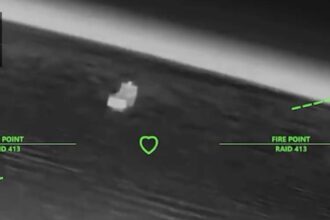
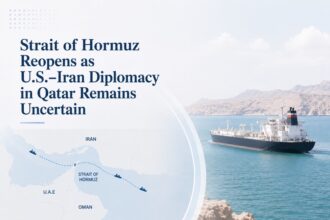
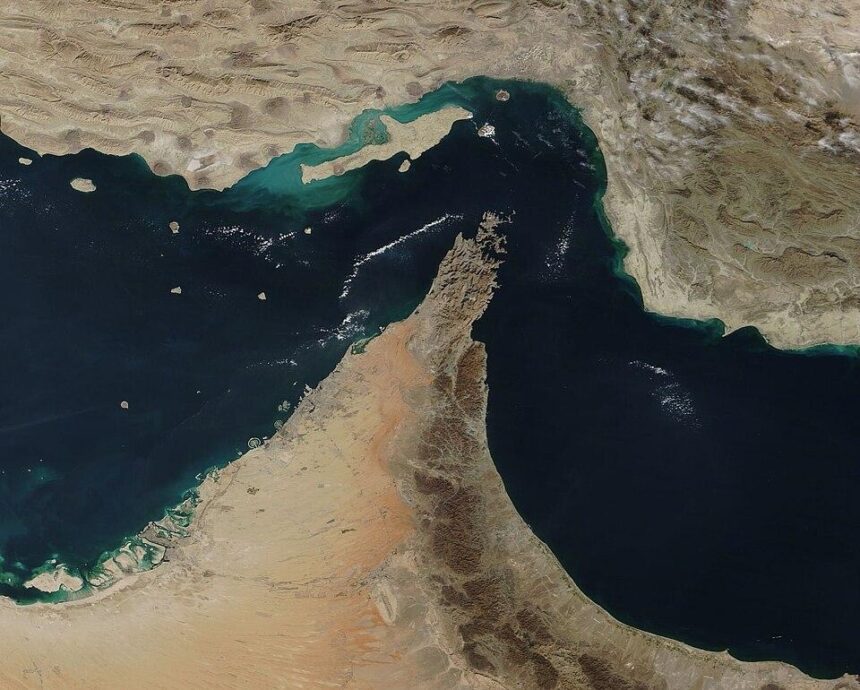
The United States launched a new round of strikes against Iran, hitting more than 80 targets according to Central Command, per CNN, and revoked a sanctions waiver covering Iranian oil sales after accusing Tehran of attacking commercial shipping in the Strait of Hormuz, according to RFE/RL. The two moves landed the same day, pairing kinetic action with an economic lever targeting Iran’s oil revenue.
Iran responded within hours. The IRGC said it launched a joint drone and missile attack on US bases in Kuwait and Bahrain, including Camp Arifjan and the Juffair facility, home to the US Fifth Fleet’s Naval Support Activity, per CNN. It warned it would expand the response region-wide if the US struck again, according to the Times of Israel. Iranian state media put the number of targets hit at 85, per Tasnim; that figure is unverified.
The exchange also exposes the limits of the framework meant to prevent it. The Islamabad Memorandum, signed by Trump and Iranian President Masoud Pezeshkian on June 17, left Iran’s ballistic missile and drone programs unaddressed, according to CSIS, and did not secure the toll-free Hormuz transit the US had sought, with Iran instead pushing to collect fees on ships passing through, per Britannica.
Trump said the US could resume its naval blockade of Iran, launch further strikes, and potentially seize Kharg Island, Iran’s main oil export terminal, according to Al Jazeera. He said US negotiators could keep talking with Tehran even so, though he added he saw little point in it himself.
Hours later, aboard Air Force One, Trump struck a different note, telling reporters Iran had reached out and “wants to make a deal so badly,” per CBS News. He said he wasn’t sure Tehran was trustworthy enough to honor an agreement, and when asked why Iran struck the tankers in the first place, dismissed its leadership as erratic and out of control.
Oil prices and equity markets moved on the news. Whether the Islamabad framework survives now depends on Gulf mediators bringing Washington and Tehran back to the table, or on Trump’s own mixed signals resolving into real talks.