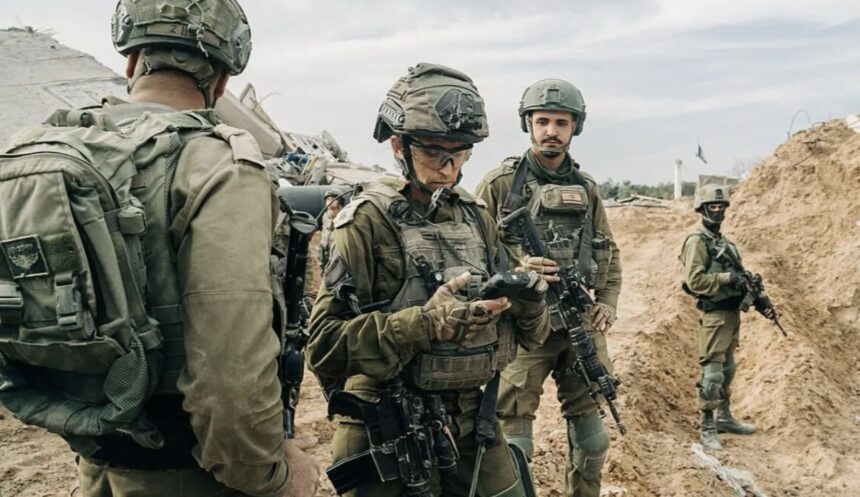
Israel’s Knesset Foreign Affairs and Defense Committee voted Monday to extend the Israel Defense Forces’ emergency reserve mobilization through September 30, lowering the maximum call-up ceiling from 280,000 to 240,000 reservists, according to The Times of Israel. The extension replaces an order that expired at the end of July, continuing a cycle of emergency renewals that has been in place since the war with Hamas began in October 2023.
While the new authorization reduces the legal ceiling, it does not mark a return to peacetime force levels. Instead, it reflects an effort to balance sustained operational requirements with the growing burden on Israel’s reserve force as the military continues operations in Gaza while maintaining deployments in the West Bank, along the Lebanese border and in Syria.
The strain on manpower has become increasingly explicit. In July, IDF Personnel Directorate chief Maj. Gen. Dado Bar Kalifa warned that extending compulsory military service “does not eliminate the need to expand the pool of draftees,” saying the military still faces a shortage of roughly 12,000 soldiers, including 7,000 combat troops, according to The Times of Israel.
The Knesset has already responded by extending mandatory military service for most conscripts from 32 months, arguing that the measure is necessary to sustain force levels during prolonged operations, according to the Knesset. Military leaders, however, have consistently argued that longer service cannot by itself resolve the IDF’s structural manpower deficit.
One of the central obstacles remains the politically contentious issue of ultra-Orthodox (Haredi) enlistment. Although Israel’s High Court ruled in 2024 that blanket draft exemptions could no longer continue, the issue remains unresolved politically. Earlier this month, the Knesset approved legislation freezing enforcement measures against many Haredi draft evaders while negotiations over a broader enlistment framework continue, according to Associated Press.
Against that backdrop, Monday’s vote appears less a routine administrative renewal than another indication that Israel is settling into a prolonged state of elevated military readiness. While the government has modestly lowered the maximum number of reservists it can mobilize, the decision suggests it still expects simultaneous security demands across multiple fronts to require broad emergency powers well into the autumn.