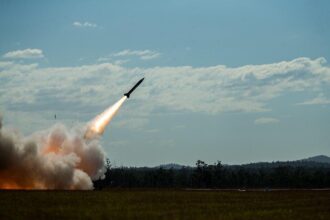
The US-Iran ceasefire that took hold in June is collapsing, with Iranian strikes on Gulf states and mounting damage to Iran’s power grid marking the most serious escalation since the truce began.
The US and Iran signed the Islamabad Memorandum of Understanding on June 17, establishing a 60-day framework to negotiate a permanent end to the war, according to ABC News. President Trump declared the ceasefire “over” on July 8 after a second consecutive night of US strikes, per ABC News. Iran retaliated by striking US-aligned states across the Gulf, including Bahrain, Kuwait, Oman, and Jordan, with explosions reported in Bandar Abbas, Sirik, and on Qeshm Island into the early hours of July 13, according to Al Jazeera. ABC News described the pattern as one in which Iran strikes shipping, the US retaliates, and Iran then strikes US allies in the Gulf.
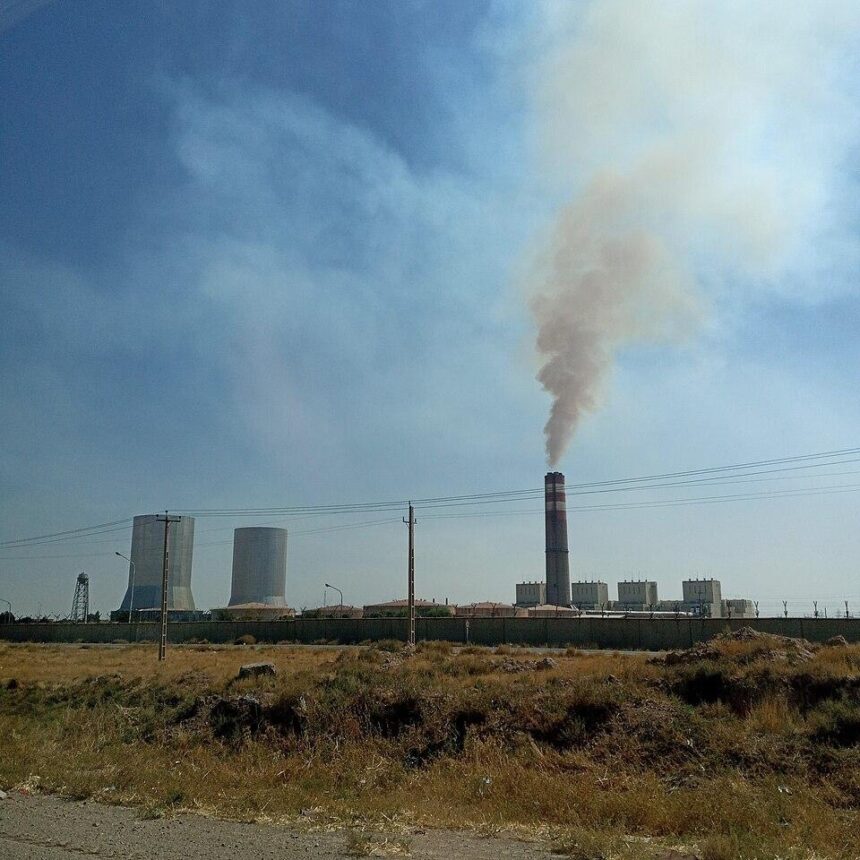
US Central Command says its strikes have targeted military sites, including coastal radar, logistics, and communications infrastructure, and has not acknowledged hitting civilian targets, according to Al Jazeera. Tavanir chief Mohammad Allahdad said Sunday that the campaign has cut national power generation by about 4,200 megawatts as temperatures reached 40 degrees Celsius, per Al Jazeera.
The loss compounds a structural crisis years in the making. Iran’s grid shortfall reached about 12,000 megawatts in the summer of 2023, with domestic estimates for 2025 and 2026 projecting the gap could exceed 20,000 megawatts, according to US Energy Information Administration data cited by Iran Focus. Unauthorized cryptocurrency mining has separately been blamed for up to 20 percent of the country’s power deficit, a Tavanir official said, according to Iran International.