The United States and Iran exchanged their heaviest fire since signing the Islamabad Memorandum on June 17, in an escalation that showed the interim deal is being tested not only by missiles and drones, but by competing claims over who controls safe passage through the Strait of Hormuz.
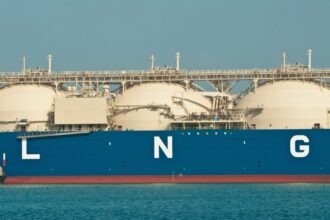
The trigger was a series of attacks on three commercial vessels near Hormuz, including Qatar’s Al Rekayyat, a Nakilat-owned LNG carrier. Reuters reported that Qatar blamed Iran for the strike, while a U.S. official said initial indications pointed to Iran. Tehran denied responsibility and said commercial vessels faced risks when using routes not coordinated with Iran.
The dispute goes to the core weakness of the memorandum. The text promised safe commercial passage for 60 days, but it also left the strait’s future administration to talks involving Iran, Oman and other Gulf littoral states. That created a grey zone: ships could move again, but the rules of movement remained contested.
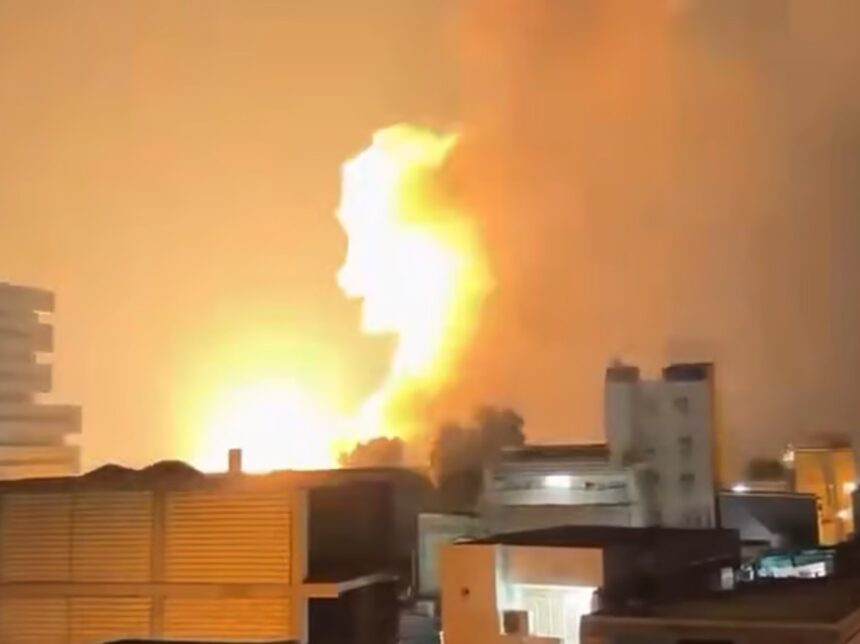
The U.S. answered with strikes on more than 80 Iranian targets, including air-defence systems, command-and-control networks, coastal surveillance systems, anti-ship missile capabilities, drone launch sites and more than 60 IRGC small boats in and near the strait, according to Reuters. The Wall Street Journal reported that the operation was four to five times more extensive than other U.S. strikes since the memorandum was signed.
Iran struck back hours later. Reuters reported that the Revolutionary Guards said they launched missile and drone attacks against U.S. military sites in Bahrain and Kuwait. Kuwait said its air defences were responding to hostile missile and drone attacks, while air-raid sirens sounded in both countries.
The market reaction is already visible in ship movements. Reuters reported that three empty QatarEnergy LNG carriers — Al Ghariya, Duhail and Al Ruwais — turned away while heading toward Ras Laffan to load cargoes. An Indian-flagged tanker carrying Kuwaiti crude also made a U-turn near Oman, while two loaded crude tankers managed to exit the strait.
This is not the first time the Islamabad framework has failed to match events at sea. In late June, Reuters reported a smaller cycle of tanker attacks, U.S. strikes and Iranian retaliation before both sides moved back toward a stand-down. The latest exchange suggests the memorandum still exists on paper, but its operating logic is fraying: sanctions relief is reversible, safe passage is conditional, and compliance is now being defined strike by strike.