U.S. commanders are deliberately allowing some Iranian missiles and attack drones through their air defenses, accepting damage to military installations rather than expend interceptors that are growing harder to replace, according to NBC News.
Two senior U.S. officials told NBC News that commanders have been choosing which incoming weapons to intercept since the early days of the Iran war. They may withhold defensive missiles when a projectile is assessed as unlikely to hit American forces, significantly damage critical U.S. facilities or threaten regional allies. The result is a tiered defense: personnel and critical infrastructure are protected first, while secondary facilities may be allowed to absorb some damage.
The officials said some Iranian weapons have consequently struck parts of U.S. bases where personnel were not present. They were not aware of any American troops or civilians being harmed by projectiles commanders deliberately chose not to intercept.
Selective engagement is a normal part of missile defense: firing an interceptor at a weapon already projected to land harmlessly wastes ammunition. What is significant now is the scale of the trade-off and the underlying cost math. Advanced interceptors can cost far more than many of the incoming weapons used to saturate layered air defenses – a mismatch that becomes more acute the longer a high-volume bombardment continues.
Iran has fired nearly 9,000 projectiles since the war began, according to NBC, sustaining pressure on American and allied defenses. The figure includes missiles and drones rather than ballistic missiles alone.
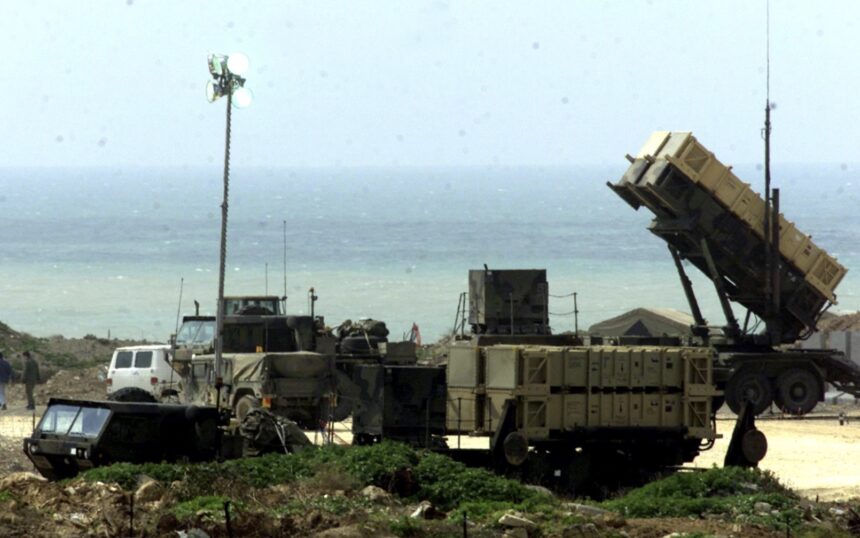
That volume matters because the Iran war has already consumed substantial stocks of Patriot, THAAD and Standard Missile interceptors, while production and replenishment can take years. The result is an increasingly explicit calculation over which incoming weapons are worth an interceptor.
That does not mean every Iranian missile or drone that hits an American installation has been deliberately allowed through. Some attacks penetrate defenses despite interception attempts, and the Pentagon has not publicly identified which individual strikes were intentionally left unchallenged.
Iran, meanwhile, continues targeting U.S. forces across the region. The Critical Threats Project and Institute for the Study of War assessed on July 24 that Tehran is trying to inflict a steady stream of American casualties by attacking troop quarters and recreation facilities, increasing domestic pressure on Washington to end its strike campaign. Iranian forces claimed attacks on U.S. positions in Bahrain, Jordan, Qatar and Kuwait during the previous 24 hours, although many individual damage claims remain unverified.
The competing strategies expose the arithmetic of prolonged missile warfare. Iran does not need every projectile to penetrate U.S. defenses to impose costs. Sustained attacks can force Washington to consume scarce interceptors, reveal defensive priorities and decide which assets can absorb damage – a dynamic that makes the interceptor shortage more than a procurement problem, and one already shaping battlefield decisions in real time.