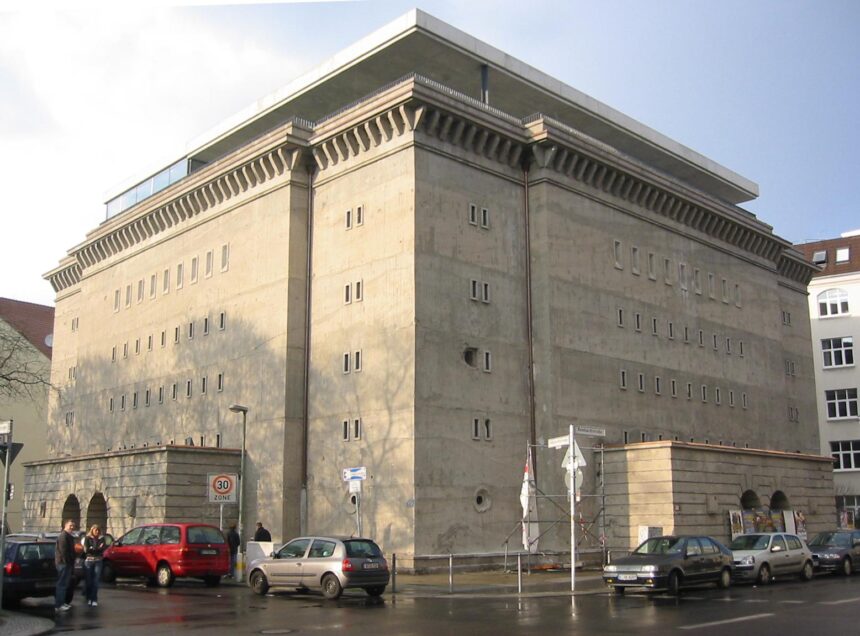
Germany’s plan to close a severe civil-defense shortfall runs into an unresolved problem at its core: the federal government has not yet defined what level of attack its shelters should withstand, according to the Financial Times.
Germany once had roughly 2,000 public shelters holding 1.6 million people. Today, it has 579, and Berlin has none, the Federal Office of Civil Protection and Disaster Assistance announced in late 2024. The gap emerged after Germany decided in 2007 that the attack risk was low enough to stop maintaining the network and then began selling off bunkers.
The reversal comes as NATO members warn Russia could be capable of attacking an alliance member before the decade’s end, with Germany preparing its military for potential conflict by 2029. Interior Minister Alexander Dobrindt’s spokesperson, Christina Lewinsky, called the situation civil protection’s “greatest challenge in decades.” In May, Dobrindt announced a 10-billion-euro plan, including a smartphone app that directs citizens to shelters.
The plan rests on an unresolved technical question, however. Norbert Gebbeken, of the University of the Bundeswehr’s RISK Research Center, said no one has specified the weapons system shelters should withstand, whether a pistol, a drone, or 10 tons of explosives. His institute’s shelter concept for the BBK has gone unpublished for over a year, leaving municipalities without legal grounds to designate qualifying spaces.
Kay Heyne, of the volunteer group Berliner Unterwelten, doubted the government’s goal of sheltering 100,000 people by year’s end is achievable. Gebbeken put the nationwide cost at 200 billion to 800 billion euros, far beyond what Germany can currently deliver.