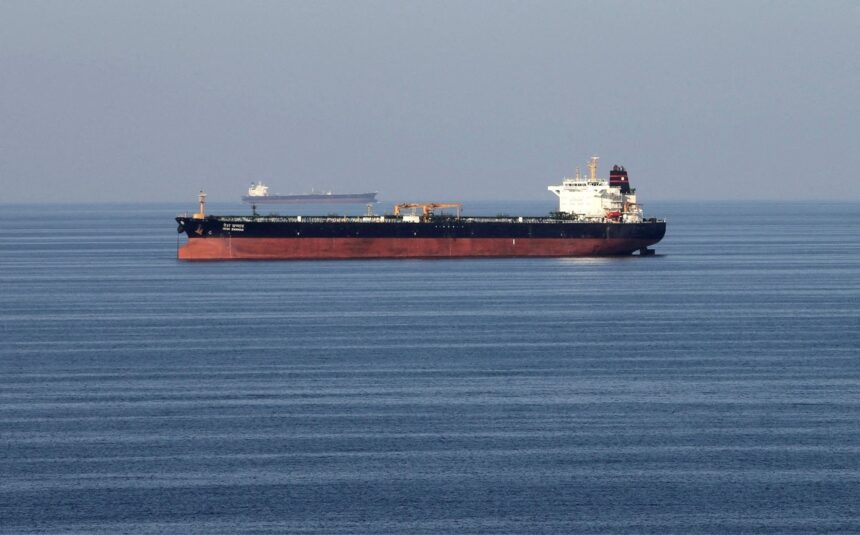
U.S. stocks closed at record highs Tuesday after Treasury Secretary Scott Bessent told CNBC a deal to reopen the Strait of Hormuz could arrive “today or tomorrow.” The S&P 500 rose roughly 1.8% to a fresh record, its first since June, while the Dow gained over 1,000 points and oil fell sharply. Asked on air whether Iran would be allowed to charge a toll for transit, Bessent said only that any arrangement would mean “freedom of movement.”
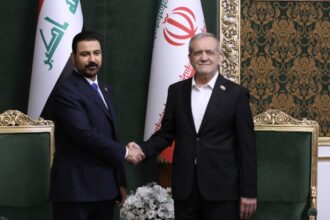
Iran maintains it is negotiating only with Oman, not Washington. Foreign Ministry spokesman Esmail Baghaei has said Iran is “not currently negotiating with the United States.” A Reuters report the same morning said Tehran expects to retain oversight of both inbound and outbound traffic in the emerging arrangement, with Oman managing a parallel route rather than controlling it independently.
Before the war, Iran held no formal authority over the strait, an international waterway open to all shipping. The proposed deal would let Tehran and Muscat jointly manage traffic and charge a “user fee,” structured to avoid the legal weight of a toll. Oman has long served as Washington’s back-channel to Tehran, a role central to the Islamabad Memorandum that paused the war in June.
Markets have reacted to a Hormuz breakthrough before, only to see talks collapse days later. A similar deadline in April produced no deal and sent oil briefly above $117 a barrel instead. Whether Tuesday’s rally reflects a genuine resolution or another premature bet on peace remains, as with the rest of this negotiation, unresolved.