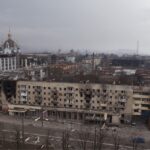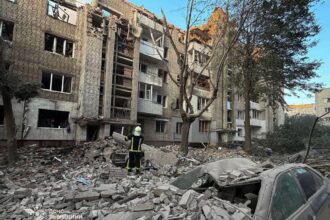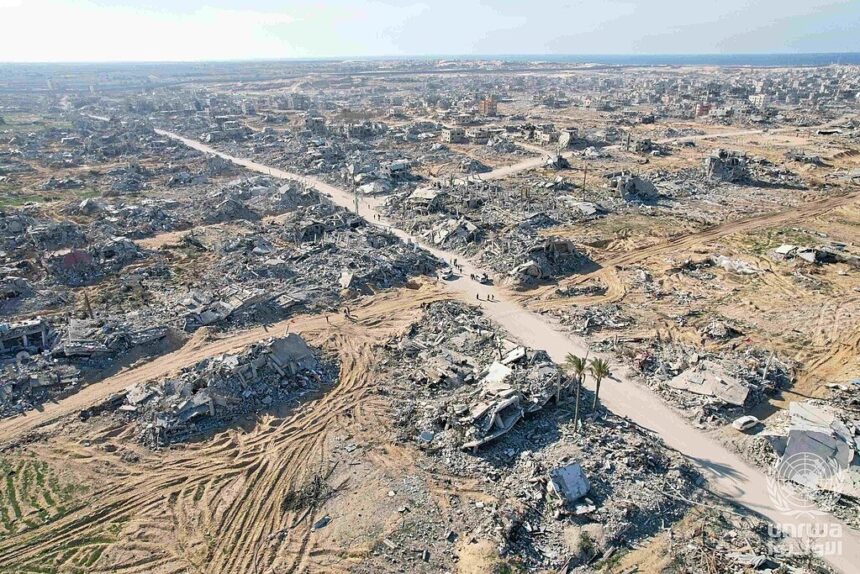
Donald Trump’s Board of Peace is facing its first major test in Gaza, where a disarmament-and-withdrawal roadmap is colliding with the reality of continued war and regional escalation. The plan is built around the National Committee for the Administration of Gaza, or NCAG, a Palestinian technocratic body meant to replace Hamas rule, and an International Stabilization Force, or ISF, authorized under UN Security Council Resolution 2803. UN reporting identifies U.S. Maj. Gen. Jasper Jeffers as the ISF’s commander.
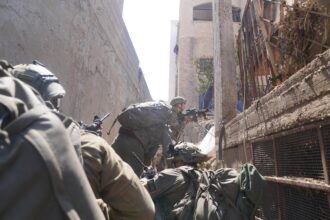
Reuters reported that Uganda’s parliament voted on August 6, 2026, to approve possible troop deployment under the U.S.-backed force. The Guardian reported that the Board’s first Gaza construction contract, still not finalized, is for a small outpost intended for about 150 Moroccan troops. The July 30 framework ties phased Hamas weapons decommissioning to staged Israeli withdrawals, but Israel has not accepted the roadmap as a straightforward timetable. Prime Minister Benjamin Netanyahu said Israeli forces will not withdraw from their current lines until Hamas is completely disarmed, while the Board of Peace has said withdrawal beyond the Yellow Line will take place only once decommissioning is complete.
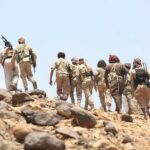
That dispute over sequencing matters beyond Gaza. A foreign force entering a political vacuum could be framed by Hamas, Yemen’s Houthi movement, formally known as Ansar Allah, and Iraqi armed groups as another U.S.-backed military presence, giving Iran-aligned actors justification to sustain pressure from Gaza to the Red Sea. The Board’s Gaza experiment doubles as a stress test of international administration, and its outcome now depends less on construction contracts and troop pledges than on whether Israel and the Board of Peace can align on when disarmament counts as complete.