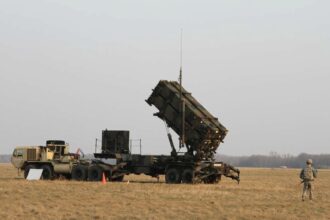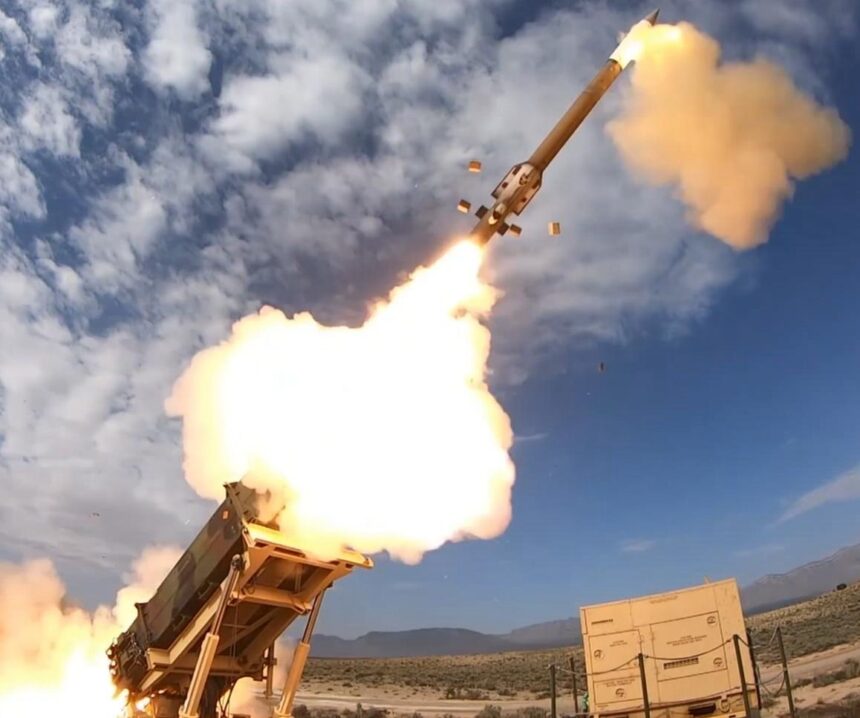
The United States has approved the sale of 5,250 Patriot and Terminal High Altitude Area Defense (THAAD) interceptors to Bahrain, Kuwait, Qatar and the UAE, Reuters reported on August 7, as Washington replenishes Gulf stockpiles drained by five months of war between Israel, the US and Iran. The country breakdown and delivery schedule remain undisclosed.
The approval follows $25.8 billion in expedited sales to the same four states plus Israel that Secretary of State Marco Rubio cleared in May under an emergency waiver of congressional review.
The number is an approval, not a delivery date. Building a single Patriot interceptor takes two to three years from contract award, according to defense manufacturing expert Jerry McGinn. A CSIS analysis from July 27 put current US Patriot stocks under 1,000, down from about 2,330 before the war, and THAAD stocks at roughly 250, down from 452.
The bottleneck is specific. A Department of War announcement on August 3 detailed deals with Lockheed Martin and Northrop Grumman aimed at tripling Patriot Advanced Capability-3 (PAC-3) output and quadrupling THAAD output by establishing a second source for Patriot solid rocket motors — previously supplied solely by L3Harris — and expanding production of ignition safety devices and THAAD components. These are slow, hazardous-materials-intensive processes, not lines that scale by adding shifts.
The economics compound the problem. Iran’s campaign relied on Shahed-type drones costing $20,000 to $50,000 each, forcing defenders to expend $4 million to $5 million interceptors against them, what Asia Times called “lopsided economic expenditure.” Bahrain, the UAE and Kuwait burned through large shares of pre-war stocks under that arithmetic.
That imbalance is pushing Gulf states toward a cheaper parallel track. The UAE and Qatar have requested thousands of low-cost interceptor drones from Ukrainian manufacturer TAF Industries, whose founder said Gulf buyers now recognize “it’s not enough to have something like a Patriot anti-air system,” according to Financial Times. The shift points to a layered doctrine, reserving Patriot and THAAD for top-tier threats while cheaper drones absorb mass UAV traffic, rather than a wholesale replacement.