Russia rejected Ukrainian and Turkish proposals for a Black Sea maritime ceasefire on August 14, signaling it has no interest in limiting attacks on civilian shipping despite mounting disruption to global grain trade.
Foreign Ministry spokeswoman Maria Zakharova said Moscow saw “no grounds for half-measures,” arguing such an arrangement would benefit Ukrainian forces, Reuters reported. The rejection covered both a Ukrainian proposal, relayed through a third party, to halt attacks on civilian targets and a separate moratorium initiative that Turkish Foreign Minister Hakan Fidan said Ankara had presented to both sides on August 8. Russian Deputy Foreign Minister Alexander Grushko had said days earlier that Moscow had received no formal proposal, according to the state news agency TASS. Zakharova also said reviving the 2022–2023 Black Sea Grain Initiative – the UN- and Turkey-brokered agreement that allowed both countries to continue exporting grain during the war – was not feasible, describing the earlier arrangement as one-sided.
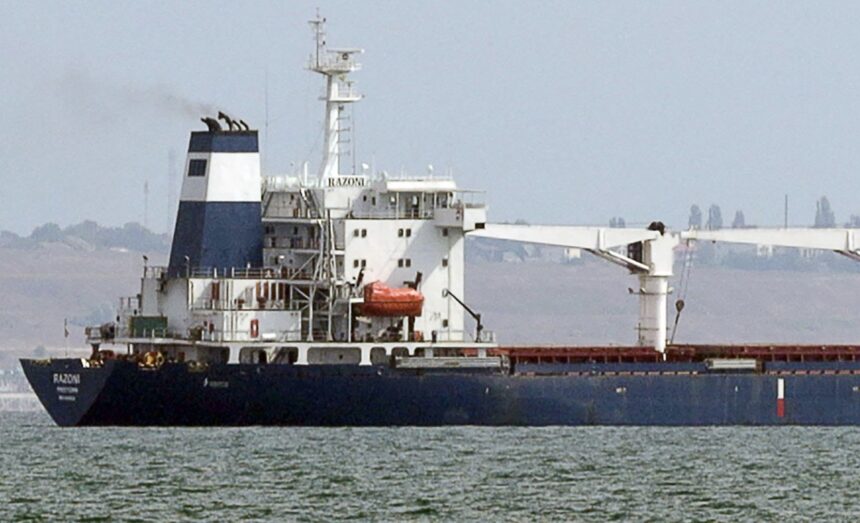
The rejection came as escalating attacks pushed shipping risks and wheat prices higher. Ukraine’s Infrastructure Ministry recorded 35 attacks on ships docked in ports, 22 on vessels at sea and 67 on port facilities over the past month, according to figures reported by Türkiye Today. A July 19 missile strike killed 10 people aboard the grain carrier Golden Leo off Odesa, while subsequent attacks on the tanker Gas Lisbon and the bulk carrier Golden Rose prompted shipowners to voluntarily suspend calls at Odesa-area ports during the peak harvest season. The attacks have heightened concerns over global food security as maritime disruption threatens one of the world’s most important grain-export corridors, Reuters reported.
Ukraine has simultaneously expanded its campaign against Russian naval and maritime logistics targets. Kyiv’s Unmanned Systems Forces said drone strikes hit 159 vessels linked to Russia’s sanctioned “shadow fleet” oil trade during a 12-day campaign in the Black Sea and Sea of Azov. Ukrainian forces have also targeted Russian port and logistics infrastructure in Novorossiysk as part of what officials describe as an effort to isolate occupied Crimea. Neither side has proposed a monitoring or enforcement mechanism for a maritime truce, and no such framework has been made public.
Turkey previously brokered the Black Sea Grain Initiative and has continued pressing for a new maritime moratorium despite Moscow’s rejection. Fidan’s proposal followed weeks of what Ankara has described as a deteriorating security environment for commercial shipping. With neither side showing interest in even a limited maritime truce, the Black Sea is becoming not only a battlefield but an increasingly contested commercial corridor whose disruption extends far beyond the war, affecting global food supplies, shipping markets and regional stability.