At least 330 children were killed or injured across Sudan during the first six months of 2026, UNICEF said on Monday, warning that a surge in drone attacks – particularly in North Kordofan – is driving an increasingly deadly toll on civilians.
UNICEF said the figure reflects verified child casualties and is likely an undercount, as insecurity continues to prevent independent monitoring across large parts of the country. Darfur and Kordofan recorded the highest numbers of verified child casualties.
The agency described the situation in El Obeid, the capital of North Kordofan, as especially alarming. Since May, at least 18 children have been killed and more than 17 injured in the city, ranging in age from two months to 17 years. According to UNICEF, drone strikes accounted for roughly 60 percent of those casualties, highlighting the growing impact of unmanned aerial warfare on civilians.
Sudan’s war between the Sudanese Armed Forces (SAF) and the Rapid Support Forces (RSF) is now in its fourth year. Last month, UN High Commissioner for Human Rights Volker Türk told the Human Rights Council that his office had documented a sharp increase in drone attacks affecting civilians and renewed calls on all parties to comply with international humanitarian law, including the prohibition on indiscriminate attacks.
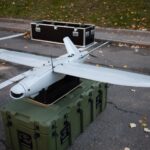
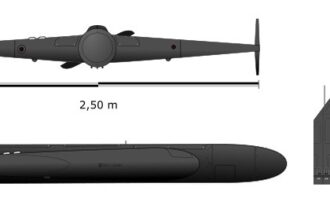
Conflict monitoring organization Armed Conflict Location & Event Data Project has likewise recorded a steep rise in drone use since 2024. The organization and independent analysts say the growing availability of Iranian- and Turkish-manufactured drone systems has significantly expanded the strike capabilities of both sides, allowing attacks far beyond traditional front lines while increasing risks to civilians in urban areas. The trend reflects a broader transformation of Sudan’s conflict, in which relatively inexpensive unmanned systems are increasingly shaping both military operations and civilian exposure to violence.
UNICEF said children have been killed while attending school, fetching water and sheltering inside their homes. The agency warned that the conflict is exposing children to violence in places that should offer safety, while repeated attacks on civilian infrastructure continue to erode access to education, healthcare and basic protection services.
The humanitarian response is also coming under increasing strain. Aid organizations have reported delays in the issuance of visas and travel permits for humanitarian personnel in Port Sudan, while humanitarian agencies operating in Darfur say relief convoys continue to face extortion and obstruction at checkpoints, further restricting assistance to civilians.
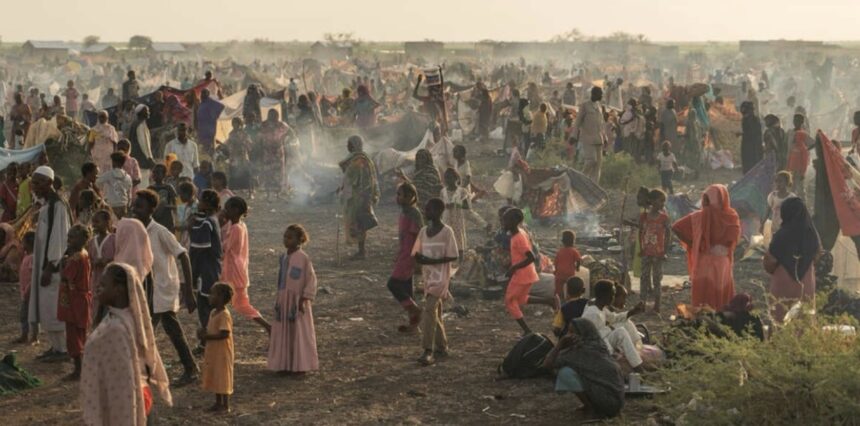
More than 30 million people across Sudan require humanitarian assistance, according to the United Nations, in what remains the world’s largest displacement crisis. UNICEF again urged all parties to facilitate safe humanitarian access and comply with international humanitarian law, warning that without greater protection for civilians the number of child casualties is likely to continue rising.
For humanitarian agencies, the latest figures suggest Sudan’s expanding drone war is no longer only reshaping the battlefield – it is increasingly determining where children can safely live, study and seek shelter.