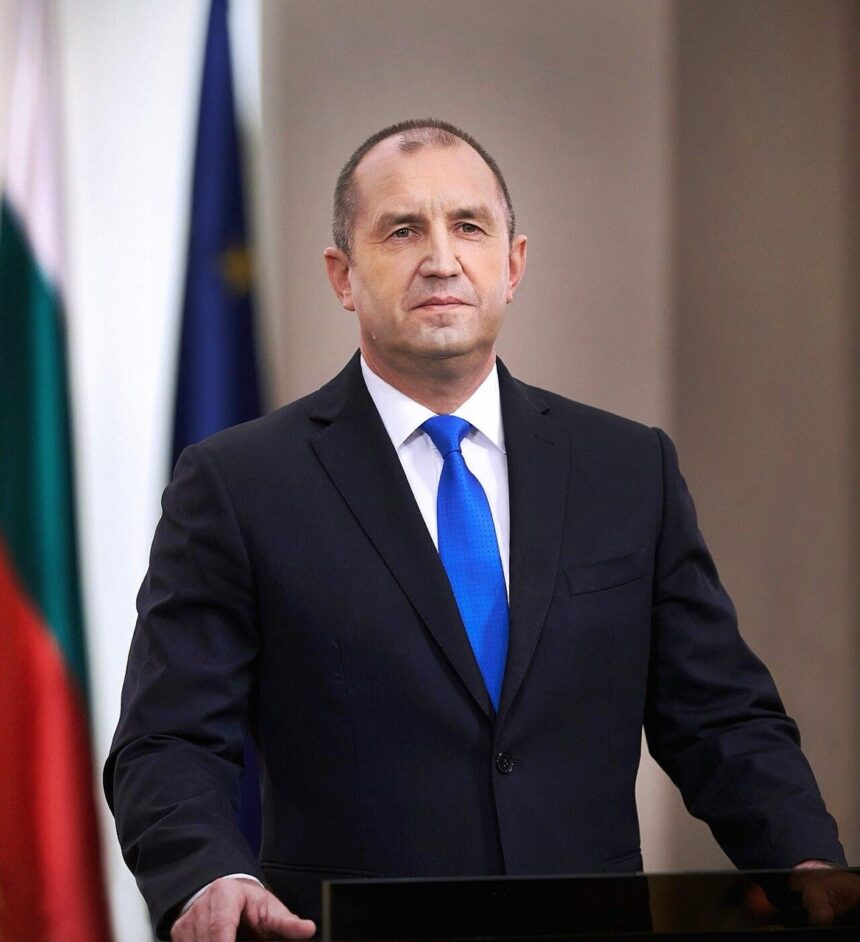
Bulgaria will no longer be part of the Coalition of the Willing, Prime Minister Rumen Radev said in Paris on July 14, declining Bulgaria’s block state-level weapons transfers to Ukraine while its defense industry, among Eastern Europe’s largest producers of Soviet-caliber ammunition, keeps selling to Kyiv commercially, according to Euronews. “We have already given enough,” Radev said.
Radev also distanced Bulgaria from the new European anti-ballistic missile coalition, arguing collective security decisions belong “within the EU, within NATO.” That framing carries structural weight beyond rhetoric: EUobserver has argued the EU’s unanimity rule lets a single capital hold sanctions packages hostage, and that ad hoc coalitions exist specifically to route around it, a dynamic the outlet says has now shifted from Hungary’s Orbán to Radev’s Bulgaria.
That leverage was on display days earlier. Bulgaria secured the removal of Patriarch Kirill and Lukoil founder Vagit Alekperov from the EU’s 21st Russia sanctions package, along with a Sofia metro component supplier, before agreeing to support it, according to OilPrice.
The shift follows Radev’s Progressive Bulgaria winning an outright parliamentary majority, roughly 130 of 240 seats, in April, the first single-party majority in Bulgaria’s proportional system this century, according to Balkan Insight.