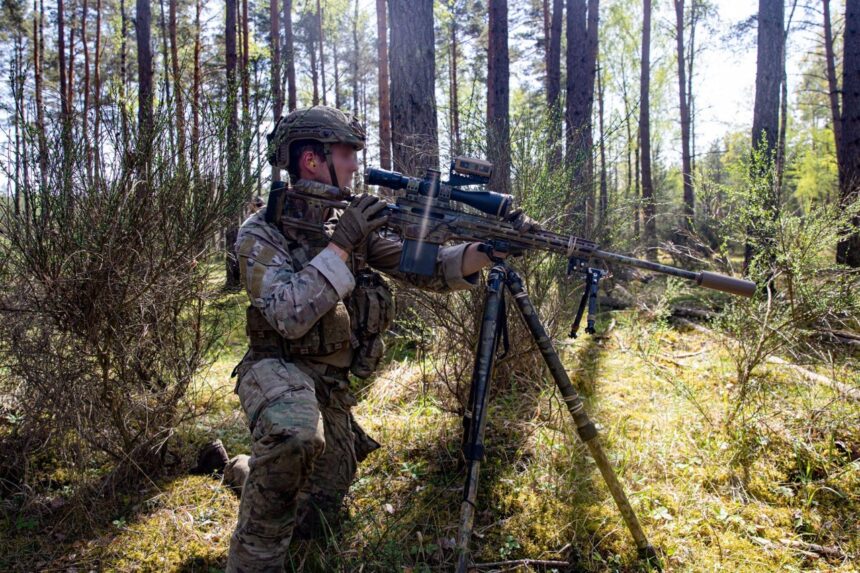
Denmark has launched a new 11-month, gender-equal conscription system, with around 1,600 volunteers beginning training on August 3, according to reporting by The Copenhagen Post and official releases from the Danish Armed Forces (Forsvaret). The reform restructures service into a functional 5+6 model: five months of core combat training followed by six months of active operational duty across the army, navy, air force, or special operations support units.
The extension is designed not only to lengthen service but to integrate conscripts directly into operational tasks. During the second phase, recruits may support naval surveillance, air defense systems, or specialized functions such as drone operations and combat information processing, reflecting a shift toward technologically intensive warfare, as detailed by the Danish Armed Forces (Forsvaret).
Full gender equality in conscription is central to the reform’s workforce logic. By expanding the eligible pool, Denmark aims to meet rising demand for skilled personnel in cyber defense, unmanned systems, and intelligence roles—areas where modern militaries face persistent shortages, according to defense analysis covered by Nordic Defence Sector.
The program is part of a broader plan to increase annual intake to 6,500 personnel by 2033, driven by heightened security concerns in Northern Europe. Danish defense planning links this expansion to NATO commitments and the need to reinforce deterrence in the Baltic and Arctic regions, as reflected in official coverage via Reuters and statements from Forsvaret.
In operational terms, conscripts are expected to support Arctic patrol missions, naval radar and surveillance systems, and drone units under Special Operations Command. This reflects growing attention to Greenland and the High North as strategic theaters, highlighted in regional reporting by Nordic Defence Sector and Reuters.
The reform also aligns with Denmark’s wider “Total Defence” (Totalforsvar) approach, which integrates military expansion with civilian preparedness measures, including infrastructure resilience and basic defense training across society. Together, these efforts signal a shift toward sustained, whole-of-society deterrence in response to an increasingly contested regional security environment.