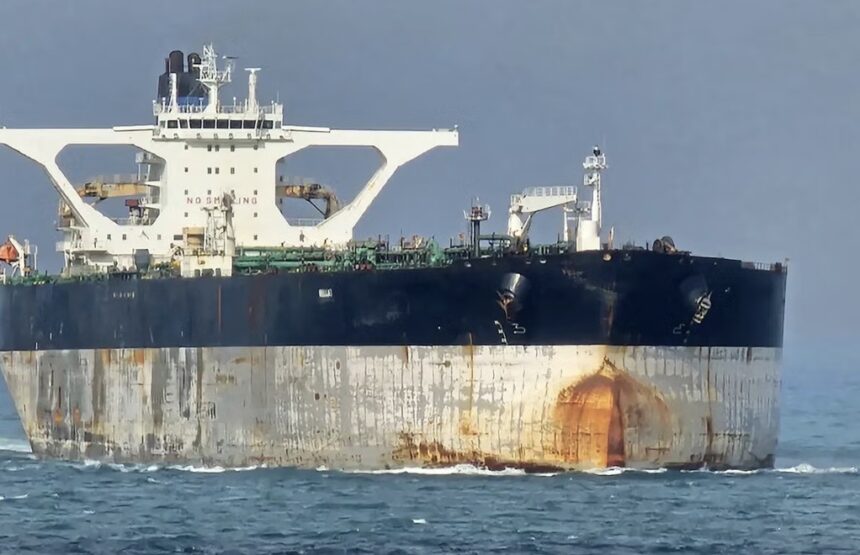
The United States has sold two Russian-flagged oil tankers seized earlier this year during a sanctions enforcement operation targeting illicit oil shipments linked to Russia, Venezuela and Iran to a Dubai-based recycler, sending both vessels toward permanent destruction rather than back into sanctions-evasion shipping. Lloyd’s List first reported the sale on August 10, and Reuters confirmed the transaction, citing Lloyd’s List’s exclusive interview with GMS chief executive Anil Sharma. Dubai-headquartered recycler Global Marketing Systems purchased the ships last month for an undisclosed sum, with dismantling planned at shipbreaking yards in India reported to be located in Alang, Gujarat, according to shipping-industry tracking.
The vessels underwent repeated name and flag changes before their capture. The Era previously sailed as the Marinera and, before that, the Bella 1, while the Lileo had operated under the names Galileo and Veronica, Reuters reported. Frequent changes of name, flag and ownership are a hallmark of the shadow fleet, making it harder for authorities, insurers and port operators to track sanctioned vessels.
U.S. Coast Guard and military special forces intercepted the Era south of Iceland in January, ending a weeks-long transatlantic pursuit after the tanker slipped past a U.S. blockade in the Caribbean aimed at halting oil exports from Venezuela, Reuters reported. Washington said at the time that the vessel, then sailing as the Marinera, had transported sanctioned oil from Venezuela and Iran. The Lileo, seized separately in the Caribbean in January while flying the Russian flag, was subject to U.S. sanctions targeting Russian-linked oil transport, CBS News reported, citing U.S. Southern Command.
A federal court authorized the forfeiture and the U.S. Treasury Department’s Office of Foreign Assets Control (OFAC) issued waivers clearing the sale, but major banks, insurers and maritime service providers initially declined to facilitate the transaction over secondary-sanctions concerns, Lloyd’s List reported. Sharma told Lloyd’s List that GMS could not fully establish the vessels’ historic beneficial ownership, underscoring how opaque Russian and Venezuelan corporate structures continue to complicate sanctions enforcement long after assets have been seized.
The sale marks a rare case of physical destruction, rather than financial blacklisting, being used to permanently remove vessels from the shadow fleets Russia, Iran and Venezuela rely on to move sanctioned oil. Conventional sanctions have often failed to sideline such tankers for long, as operators routinely return them to service through shell companies, flag changes and renaming. By dismantling the Era and Lileo, Washington is testing whether scrapping confiscated vessels can become a more durable enforcement tool. The United States has now seized around ten tankers during its campaign against sanctions-evasion oil shipments from Venezuela, but whether dismantling becomes a repeatable model will depend on future seizures and the willingness of commercial buyers to acquire sanctioned assets.