The United States is expanding pressure on Iran through a combined economic and military strategy as hopes for an immediate reduction in tensions fade. Treasury Secretary Scott Bessent said Washington would soon announce economic measures against Tehran that he said “have never been seen in the history of economic isolation on a country,” in an interview on Newsmax’s “Rob Schmitt Tonight” on August 13, according to Reuters. The comments followed President Donald Trump’s renewed push in recent days for economic pressure over military escalation, telling Axios over the weekend he was “low-keying it” with Iran.
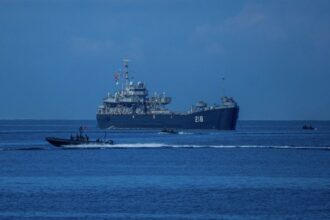
Defense Secretary Pete Hegseth separately said the naval blockade of Iranian ports could continue indefinitely through ship rotations, telling reporters in Panama following the PANAMAX exercises, according to Reuters. Iran has signaled it is prepared to match that timeline: a senior Islamic Revolutionary Guard Corps adviser said on August 12 that Tehran is ready to prolong the conflict as part of a broader military reorganization toward a more aggressive posture, according to Bloomberg.
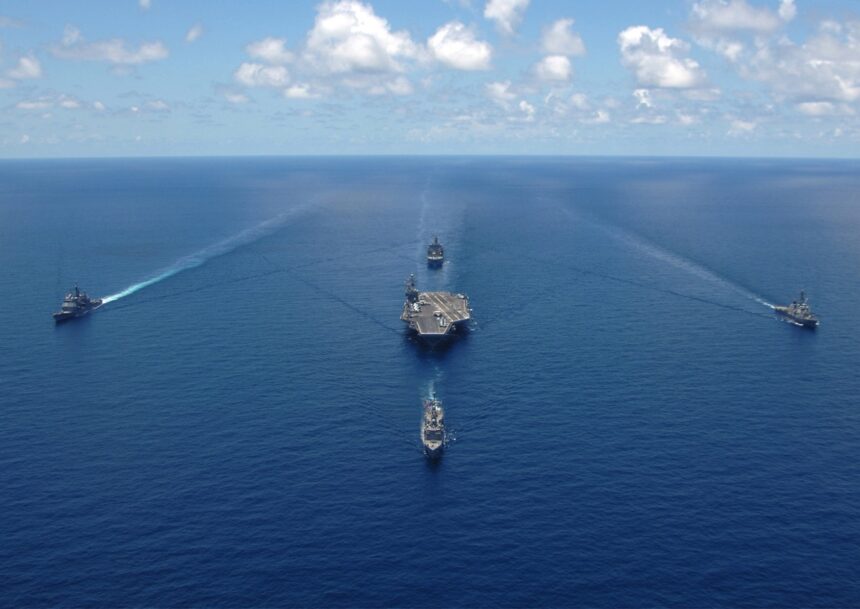
The USS George Washington is now moving toward the Middle East to replace the USS Abraham Lincoln after an extended deployment, according to the Wall Street Journal and AP, underscoring the strain of prolonged naval operations. Hormuz traffic remains at roughly a third of pre-war levels, and oil prices rose after Washington’s blockade statements intensified fears of further disruption, according to Reuters. A grounded, sanctioned tanker carrying Russian crude, the Caroline Bezengi, has also leaked oil off Oman’s coast for weeks, according to Semafor.
The dual approach pairs sanctions meant to weaken Tehran’s ability to sustain the conflict with maritime enforcement restricting its trade access. With both sides now signaling readiness for a protracted standoff, the risk is that pressure intended to force concessions instead entrenches the confrontation around Hormuz and regional energy infrastructure.