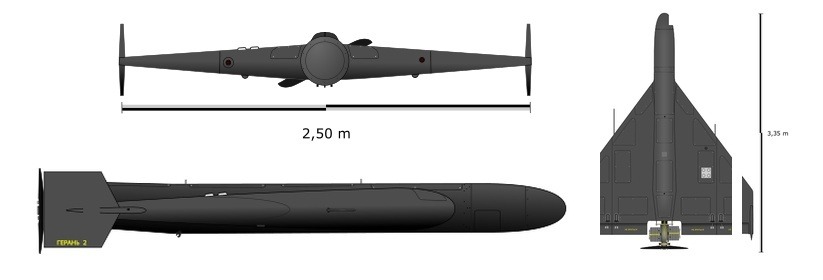
Russia has built at least 10 launch sites for long-range attack drones close enough to strike deep into NATO territory, according to a Telegraph investigation using leaked documents and satellite imagery. Seven of the sites have already been used in recent bombardments of Kyiv; the outlet identified at least 59 new launch rails along Russia’s borders with Ukraine and Belarus, some long enough for the newest Geran-4 and Geran-5 variants, which can fly nearly 620 miles while carrying a 90kg payload.
European and US intelligence officials believe Russia is weighing an armed provocation on Polish soil, strikes on critical infrastructure, or a false-flag attack blamed on Ukraine, the Telegraph reported. DroneSec chief executive Mike Monnik, who analyzed the imagery, said the expansion lets Russia launch “a growing number” of drones, while also fielding newer designs that are harder for defenders to shoot down.
The economics favor the attacker. A Geran-class drone costs an estimated $20,000 to $70,000 to build, while a single Patriot PAC-3 interceptor — the kind of system NATO would use to shoot one down — costs roughly $4.2 million. Defense Express has reported cost disparities reaching 245-to-1 when NATO members fired surface-to-air missiles at cheap Russian decoys over Poland, a mismatch that grows more acute as Russia expands its launch capacity toward the alliance’s border.
NATO says it is closing the gap: allies pledged over $40 billion for counter-drone capabilities over five years at a July summit, and are training more drone operators. But Germany’s foreign minister warned in February that Berlin’s own air-defense stocks were running critically low, and the EU’s planned “drone wall” along its eastern border isn’t due to reach full functionality until the end of 2027 — a timeline that lags the threat the Telegraph’s investigation describes as already being built.