The International Energy Agency (IEA) on Wednesday sharply lowered its forecast for global oil supply in 2026, warning that continued disruption in the Middle East is pushing the market deeper into deficit. The revision, published in the IEA’s August Oil Market Report and reported by Reuters, projects global oil supply will fall by 4.3 million barrels per day this year, a steeper decline than the 3.7 million bpd contraction forecast in July, bringing total 2026 supply to 102.02 million bpd.
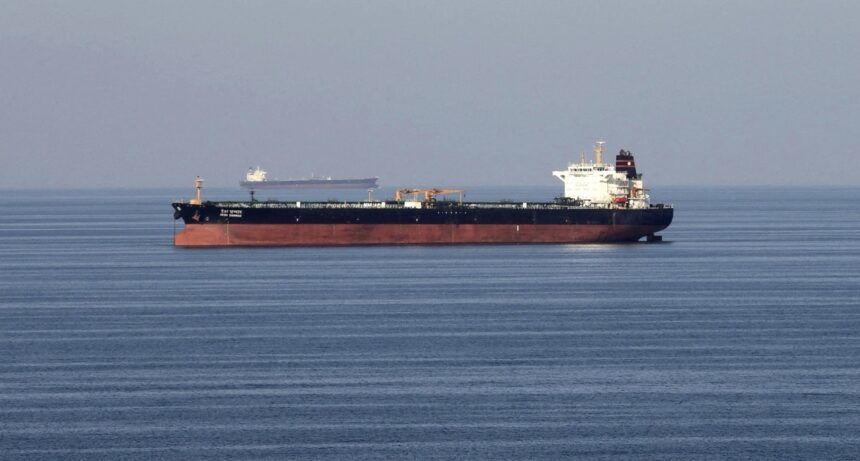
The IEA attributed the downgrade to the continuing closure of the Strait of Hormuz, the U.S. blockade of Iranian exports, renewed attacks in the Bab el-Mandeb Strait and lower Kazakh CPC Blend exports. A ceasefire and memorandum of understanding aimed at ending the Iran war collapsed last month, after which tanker attacks in Hormuz resumed alongside renewed Houthi strikes in the Red Sea. Gulf oil loadings through Hormuz peaked at nearly 20 million bpd at the beginning of July before falling to around 12 million bpd later in the month, leaving an estimated 8.3 million bpd of Gulf production shut in.
The agency now forecasts a global supply deficit of 1.27 million bpd for 2026, widening from the 860,000 bpd shortfall implied by its July outlook and marking the deepest quarterly deficit since the fourth quarter of 2021. Growth of 1.4 million bpd from producers in the Americas is only partly offsetting losses in the Middle East and Russia.
On the demand side, the IEA raised its forecast for a 2026 decline in global oil consumption to 1.6 million bpd, citing elevated fuel prices and the prolonged Hormuz disruption. It nevertheless expects demand to return to growth during the fourth quarter as markets gradually adjust to tighter supply conditions.
Looking ahead, the agency said global supply could exceed demand by 4.61 million bpd in 2027 if the conflict de-escalates, allowing commercial oil inventories to recover to their February 2026 levels by the middle of next year after cumulative stock draws of about 410 million barrels since the war began.
The IEA’s latest outlook underscores how a regional conflict has evolved into a structural risk for global energy markets. While a future ceasefire could eventually restore exports and rebuild inventories, the agency’s assessment suggests the longer the Strait of Hormuz remains disrupted, the greater the likelihood that geopolitical tensions will continue to shape global oil supply and energy security well beyond the battlefield.