Myanmar’s military intensified aerial attacks and other abuses against civilians in the months surrounding the country’s junta-organized election, held in phases between December 2025 and January 2026, according to the annual report of the U.N.’s Independent Investigative Mechanism for Myanmar (IIMM), which covers the period from July 2025 to June 2026 and was published Tuesday. The findings draw on more than 1,600 sources, including over 750 witness accounts, as well as photographs, video, forensic evidence and satellite imagery. “Behind every piece of evidence we collect are people whose lives have been devastated by these crimes,” IIMM head Nicholas Koumjian said.
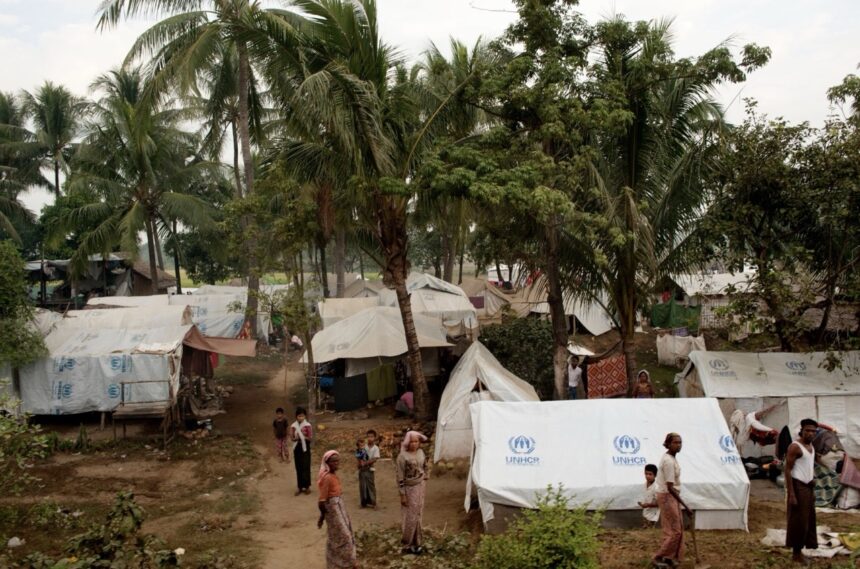
Investigators said the military increasingly relied on low-cost paramotors, gyrocopters and drones to carry out low-altitude attacks using unguided explosives. They are examining incidents in Sagaing Region in which pilots allegedly cut their engines before reaching their targets, gliding silently to reduce civilians’ warning time, Reuters reported. According to the report, strikes hit homes, schools, medical facilities, religious buildings and camps for internally displaced people. Investigators also documented torture and sexual violence linked to detentions under a 2025 election law that criminalized criticism of the vote, exposing offenders – including social media users – to penalties of up to 20 years in prison or death, according to Human Rights Watch.
While the report attributes the overwhelming majority of documented abuses to the military and allied militias, the Mechanism said it is also investigating alleged war crimes committed by anti-junta armed groups. Although the IIMM has no prosecutorial powers, it compiles evidence for national and international courts. Its case files have already supported proceedings before the International Criminal Court, the International Court of Justice and courts in Argentina, including the ICC prosecutor’s 2024 request for an arrest warrant against junta chief Min Aung Hlaing.
Myanmar’s military government did not immediately respond to Reuters’ request for comment. The findings add to a growing body of evidence documenting escalating attacks on civilians since the 2021 coup, even as the IIMM has lost most of its voluntary funding and cut about one-fifth of its staff, raising concerns that resource constraints could hamper future investigations despite mounting evidence of abuses.