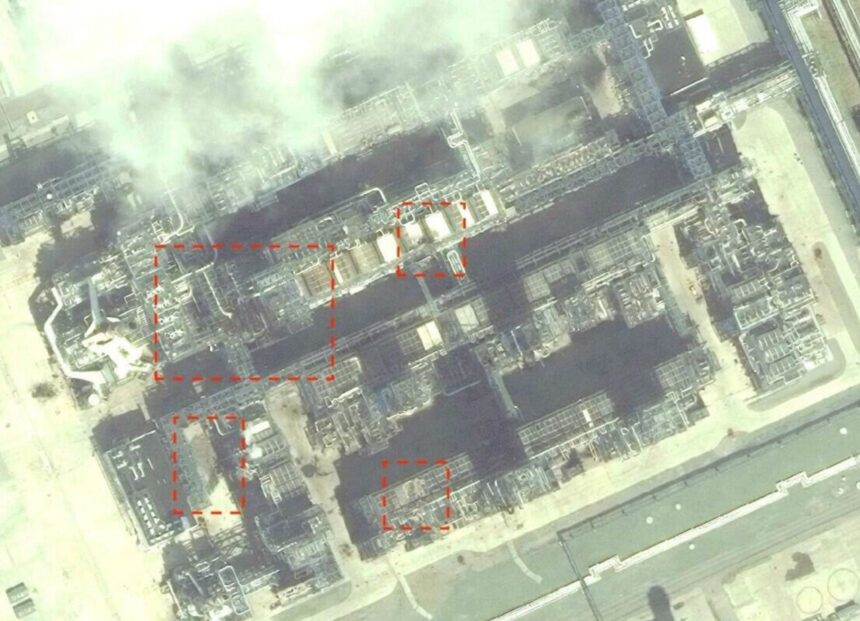
Of 26 Russian refineries knocked offline by Ukrainian drone strikes, only eight had returned to full capacity as of July 27, according to satellite-imagery analysis by S&P Global reported by the Financial Times. Seven remained shut, and affected plants lost an average of 45% of processing capacity — the country’s worst fuel crisis since the Soviet collapse.
The damage reflects a shift in targeting: Ukraine has increasingly hit primary distillation and desalting units, plus secondary units like hydrocrackers that turn crude into diesel and gasoline, RFE/RL reported, citing Kpler analyst Nikhil Dubey. Such specialized equipment takes months to replace, and Western sanctions on components have made repairs slower, he said. Isaac Levi of the Centre for Research on Energy and Clean Air said Ukraine has also begun striking the same refineries repeatedly, preventing full repair between attacks.
Moscow has leaned on administrative measures to mask the shortfall: gasoline exports have been banned since April and extended through the end of 2026, while authorities have drawn down strategic reserves and delayed refinery maintenance to keep regional markets supplied.
The strikes are aided by US and French intelligence on Russian air-defense positions, layered onto Ukraine’s own long-range targeting systems, the FT reported. Russian soldiers have reported the fallout reaching the front: some units say fuel allocations have been cut to 20 liters a day, forcing personnel to walk miles for supplies, according to accounts gathered by independent outlet Verstka and reported by Kyiv Post.
“Damage to specialized bottlenecks is much harder to absorb than damage to simpler, more replaceable assets,” said Tatiana Mitrova of Columbia University’s Center on Global Energy Policy. S&P Global’s Daniel Evans said balancing Russia’s fuel market remains “very challenging” with so much capacity still offline.