An officer in U.S. Central Command’s intelligence branch sent a message last Wednesday to a broad group of military analysts asking for new ways to “pressure and punish” Iran, according to CNN, which cited a source familiar with the message. A second source told CNN that a senior military officer had circulated a similar request the week before. Officials described the crowdsourcing-style outreach over email as unusual, suggesting Washington is searching for alternatives as the current campaign struggles to deliver its intended political effect.
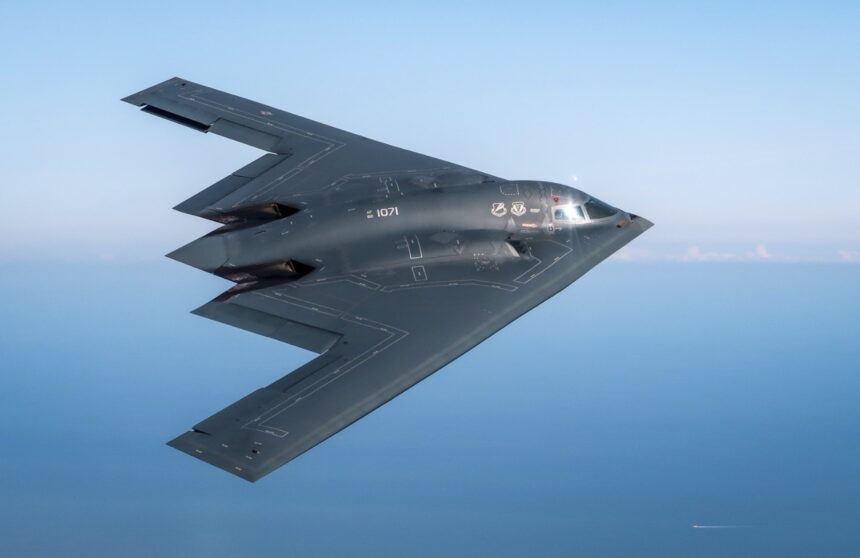
The request follows recent assessments by the CIA and the Defense Intelligence Agency that the current bombing campaign is unlikely to shift Iran’s negotiating position, CNN reported. General Dan Caine, chairman of the Joint Chiefs of Staff, acknowledged a similar limitation during congressional testimony last month, saying that “air power has its limits.”
Tactical success has not translated into strategic leverage. U.S. strikes have destroyed missile launchers, storage depots and radar sites, but two sources familiar with military planning told CNN that some deeply buried nuclear-related facilities are unlikely to be destroyed through airpower alone. Iran’s dispersed command structure and its demonstrated willingness to absorb military and economic damage further complicate Washington’s effort to translate battlefield gains into diplomatic pressure. Alex Vatanka, a senior fellow at the Middle East Institute, has argued that Tehran appears prepared to absorb additional costs if it believes it can outlast Washington’s political appetite for the conflict.
CNN did not identify which “creative and unconventional” options CENTCOM is considering. Military analysts generally identify several forms of coercive pressure short of a broader conventional campaign, including maritime interdiction, cyber operations against military-industrial infrastructure and covert efforts to disrupt procurement networks. CNN’s reporting, however, did not indicate that CENTCOM had selected or endorsed any specific course of action.
Any shift toward covert or non-kinetic tools would carry its own risks. Washington appears to be searching for ways to increase pressure without triggering a wider regional war, but Tehran has previously treated sabotage, cyberattacks and other covert actions against its strategic infrastructure as acts of aggression warranting retaliation. Measures intended to avoid escalation could therefore produce the opposite effect.
The debate inside CENTCOM illustrates a familiar dilemma in modern coercive warfare: destroying military targets is often easier than changing an adversary’s political calculations. As long as Iran’s leadership believes it can absorb further punishment without threatening regime survival, Washington may find that additional military pressure delivers diminishing strategic returns.