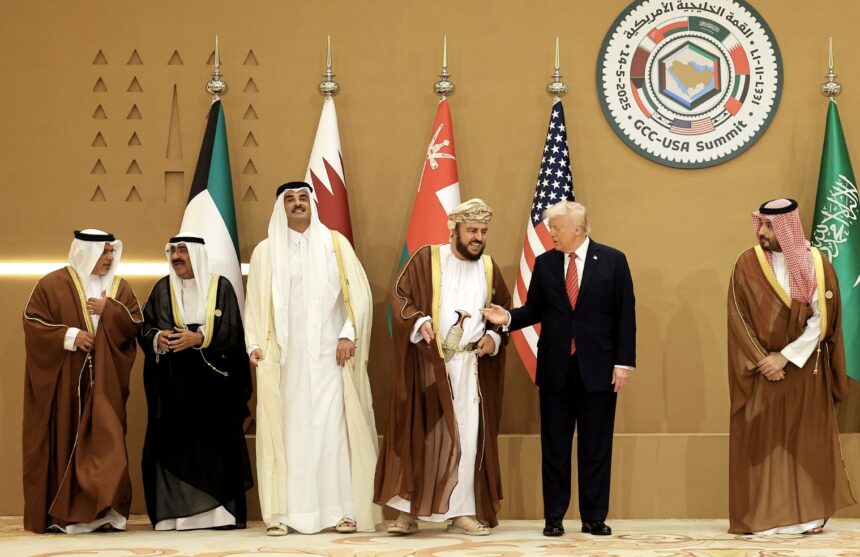
The United States’ closest Arab partners are increasingly questioning Washington’s ability to provide predictable regional leadership after months of conflict with Iran, even as they remain dependent on American military protection, The Washington Post reported on Saturday.
Citing three officials and a former U.S. diplomat, the newspaper said the governments of Saudi Arabia, the United Arab Emirates, Qatar, Kuwait and Bahrain have grown increasingly frustrated with President Donald Trump’s handling of the war, with some officials privately debating the long-term value of hosting large U.S. military installations. “Trump started this war, and we are paying the price,” one Gulf official told the Post on condition of anonymity.
A White House official rejected the criticism, telling the newspaper that Trump maintains “extraordinary relationships” with Gulf partners and arguing that Iran had become more isolated following Operation Epic Fury, the U.S. military campaign against Tehran. Analysts interviewed by the Post said Gulf frustration is tempered by the absence of any realistic alternative to U.S. security guarantees, despite growing concerns over Washington’s increasingly unpredictable approach to the conflict.
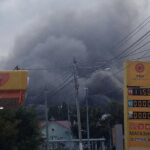
The reassessment accelerated after Iranian missile strikes and falling interception debris damaged facilities at Dubai’s Jebel Ali port and Dubai International Airport earlier this year, demonstrating that even the region’s dense U.S.-backed air-defense network could not fully shield critical infrastructure from the conflict’s spillover.
Rather than abandoning Washington, Gulf governments are diversifying their security strategy. Saudi Arabia, Turkey and Pakistan signed a mutual defense agreement last week, while Oman has continued mediating with Tehran in an effort to ease tensions and reopen the Strait of Hormuz to commercial shipping. Gulf states have also expanded direct diplomatic engagement with Iran while maintaining close military cooperation with the United States.
The result is a more diversified Gulf security posture. The region’s monarchies continue to rely on U.S. forces, intelligence sharing and missile-defense systems, but they are simultaneously building regional defense partnerships and maintaining direct channels with Tehran to reduce the economic risks of future confrontation. The shift does not replace Washington’s security role – it reflects declining confidence that the United States alone can guarantee regional stability.